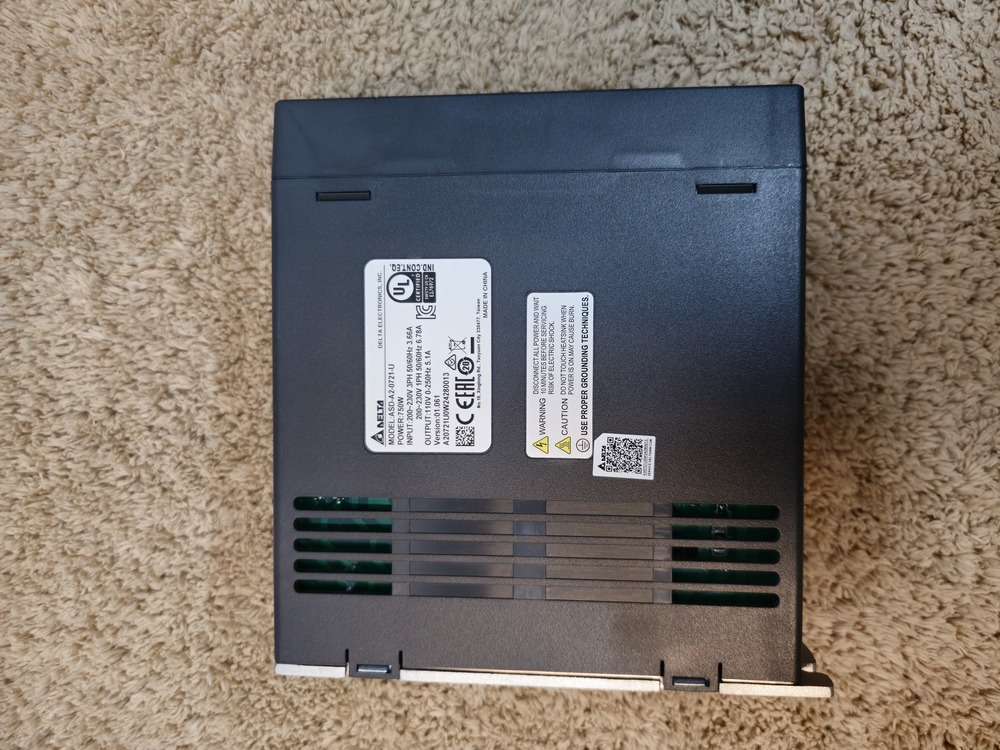
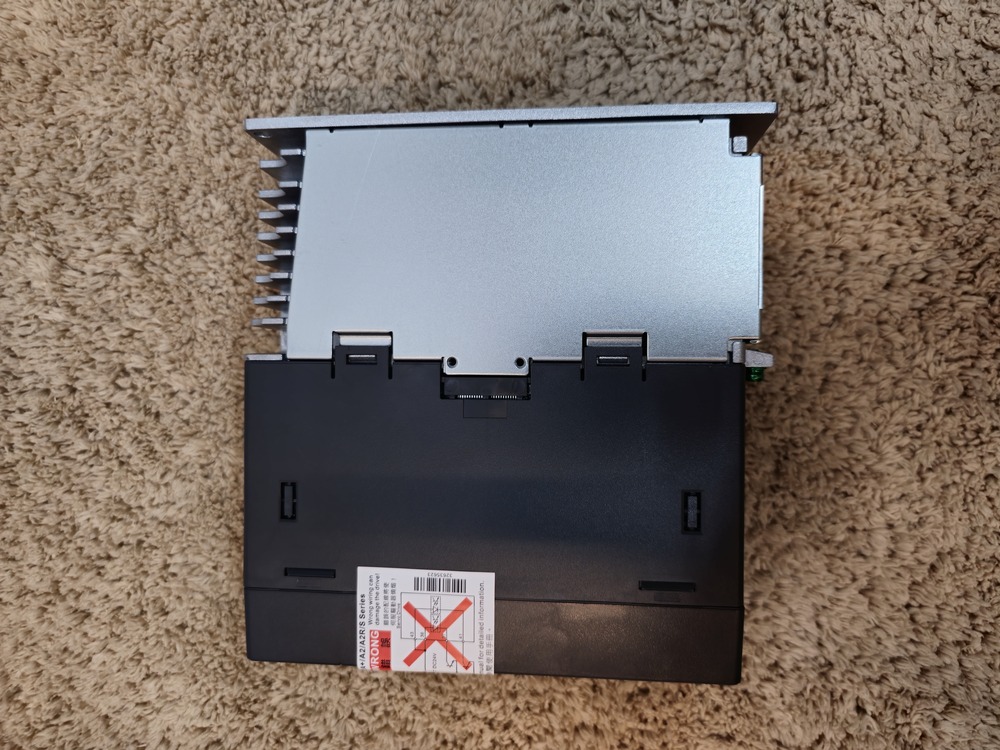
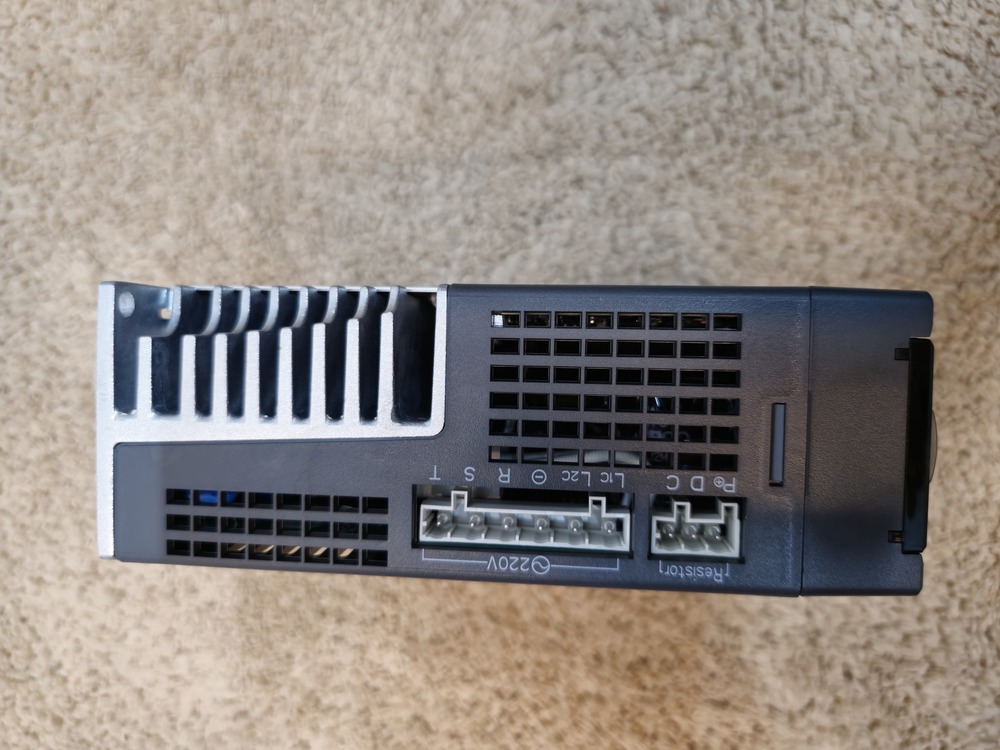
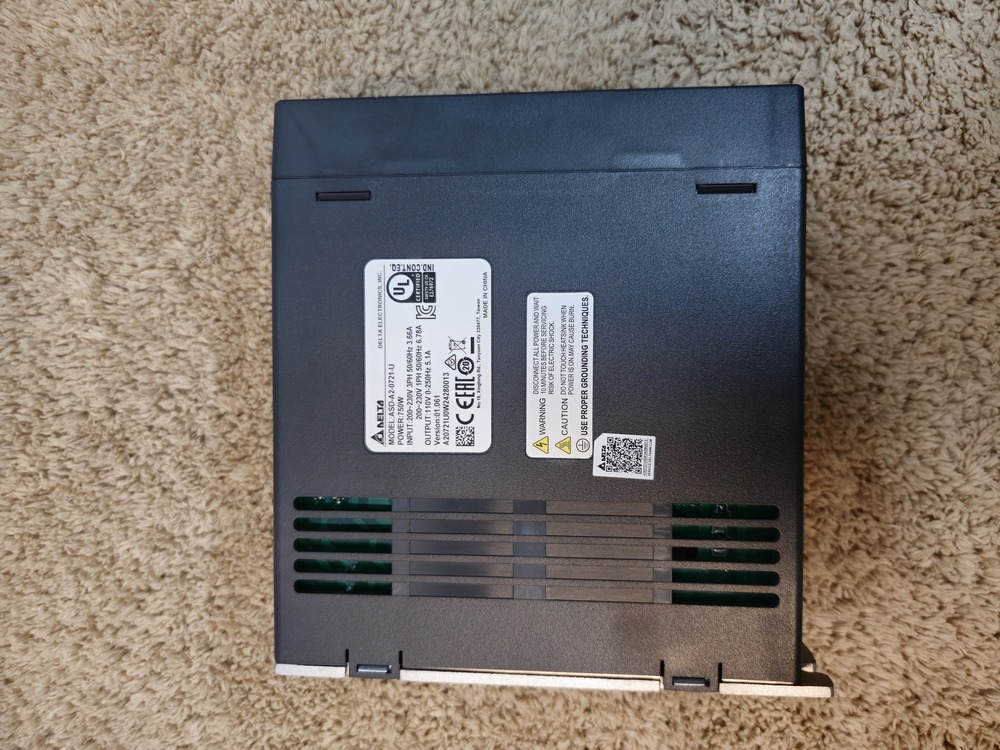
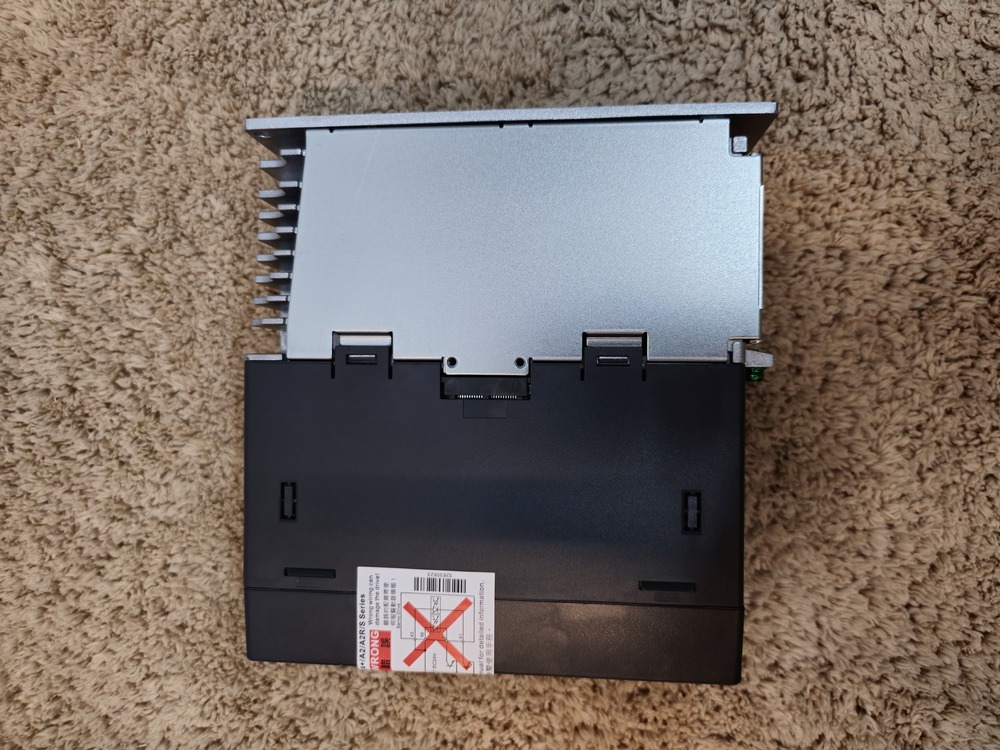
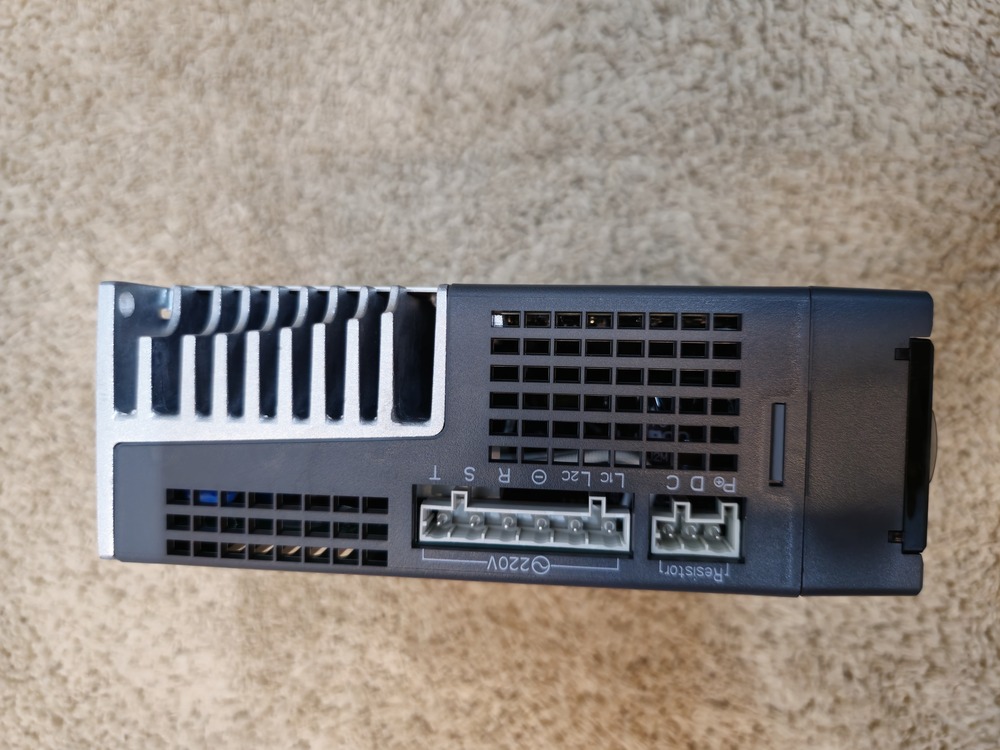
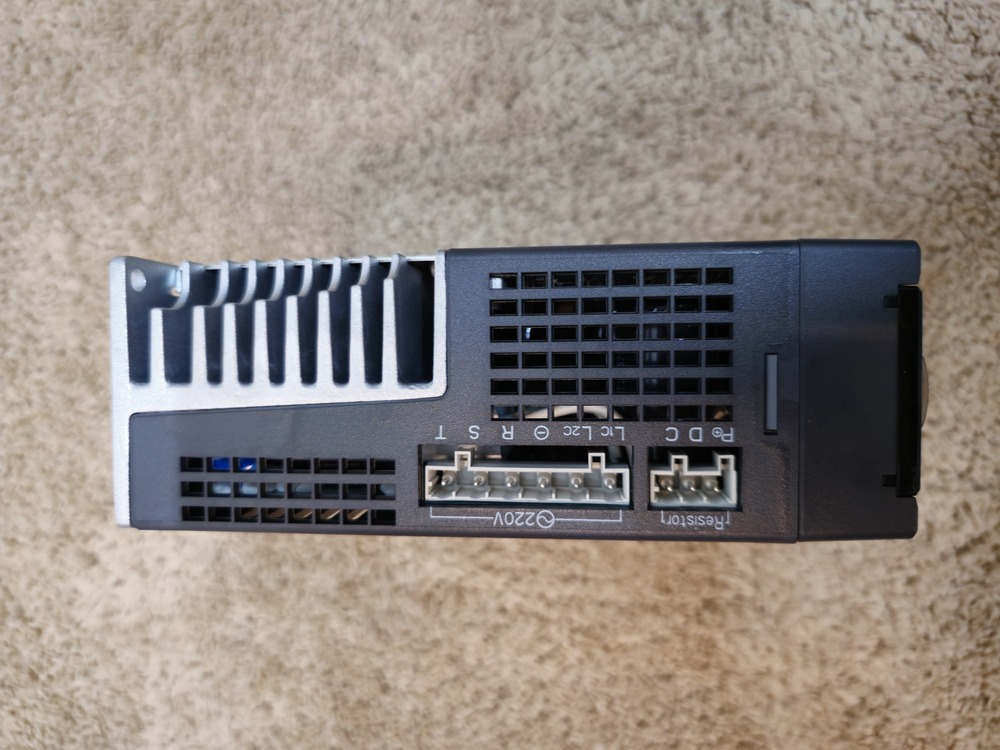
The ASD-E3-0121-L is actually part of the
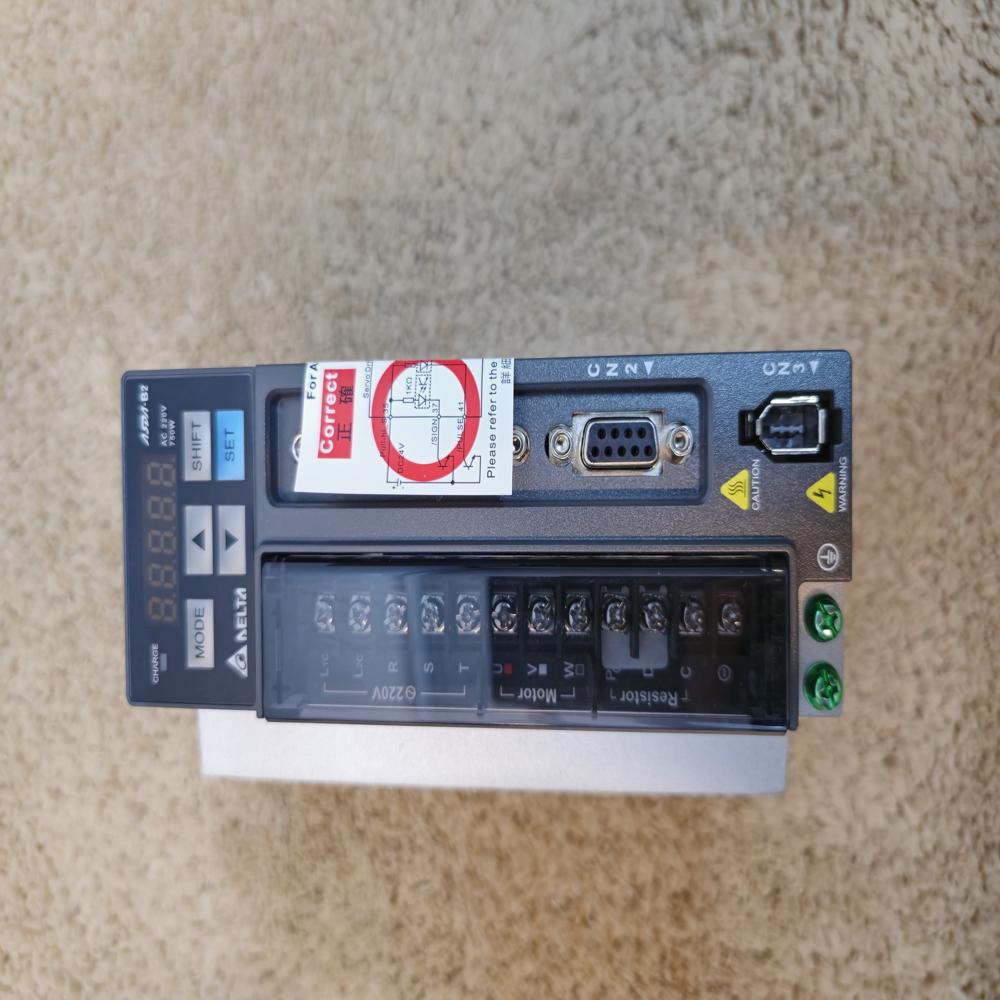
ASDA-E3 series, which is the high-performance successor to the ASDA-B2 series. While often compared to the B2, the E3 series offers 2.5x higher bandwidth and a more compact design. [
1,
2]
The primary function of the Delta ASD-E3-0121-L is to provide advanced closed-loop control for 100W servo motors, acting as the intelligent bridge between your controller (like a PLC) and the motor.
As part of the
ASDA-E3 series, this drive performs several key operational tasks: [
1,
2]
1. Core Control Modes
The "-L" designation indicates the Basic Type model, which specifically functions via:
- Pulse Train (PT Mode): Receives high-speed pulse commands from a controller for precise position control.
- Analog Voltage Control: Allows you to control the motor's speed or torque using a -10V to +10V signal.
- RS-485 Communication: Enables parameter configuration and simple motion commands via Modbus protocol. [1, 2, 3]
2. Performance Optimization
- High-Speed Feedback: It processes signals from a 24-bit resolution encoder to ensure smooth motor rotation and micron-level accuracy.
- Dynamic Response: With a 2.5 kHz response bandwidth, it can react to command changes nearly 5 times faster than older standard drives, significantly reducing settling time.
- Vibration Suppression: It automatically scans for mechanical resonances up to 5000 Hz and applies filters to eliminate noise and shaking in your machine. [1, 2]
3. System Protection & Maintenance
The drive constantly monitors the system to perform "Stop" or "Alarm" functions during:
- Overload or Overcurrent: Prevents damage to the motor or drive if the machine jams.
- Encoder Errors: Stops operation if it loses track of the motor's position.
- Auto-Tuning: It includes a "Strong Self-Debugging" function that automatically calculates the best gain settings for your specific mechanical load. [1, 2]
Comparison: E3 Series vs. B2 Series
While you mentioned the "B2 Series," this
E3 driver is a modern upgrade with specific functional advantages: [
1]
- Smaller Footprint: The E3 drive is up to 20% smaller in size.
- Finer Precision: It supports 24-bit encoders, whereas the ASDA-B2 series typically uses 17-bit or 20-bit encoders. [1, 2]

 Send Inquiry



 Send Inquiry

 Send Inquiry
 English
 Spanish
 French
 German
 Italian
 Chinese (Simplified)
 Japanese
 Korean
 Arabic
 Portuguese