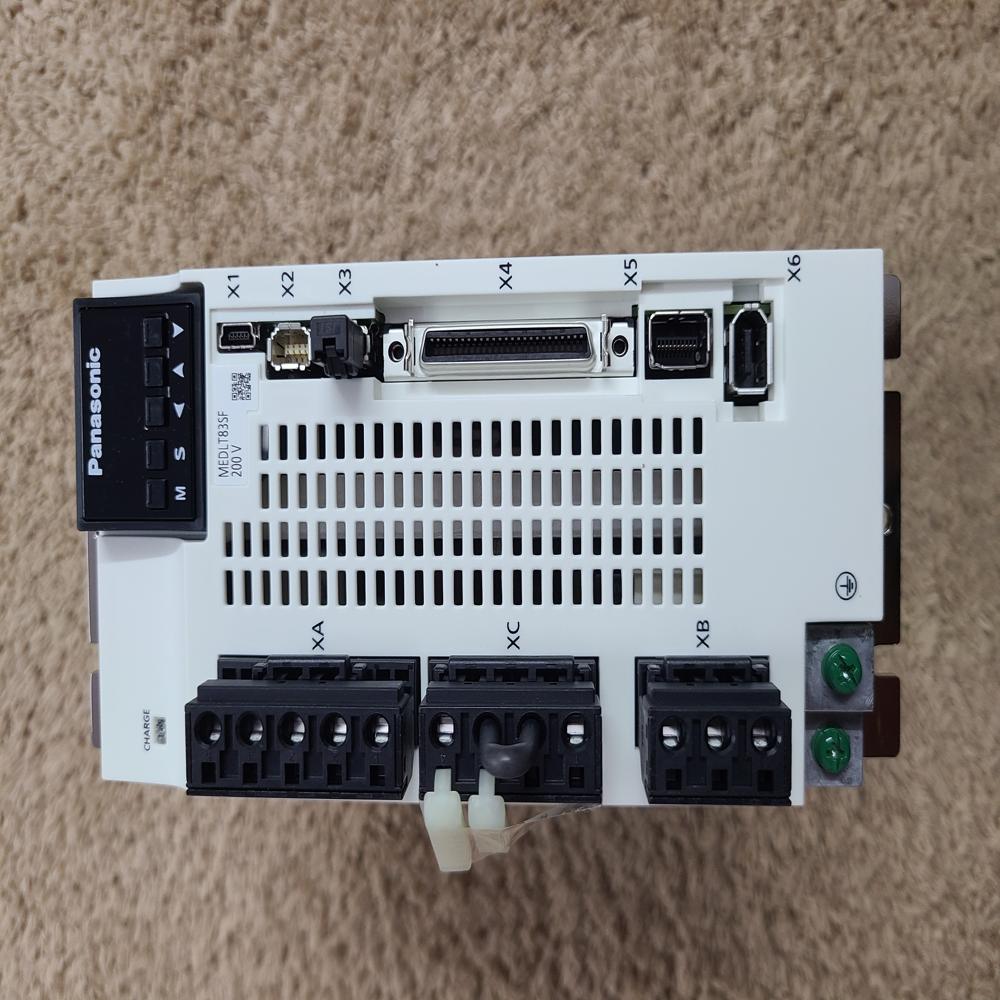
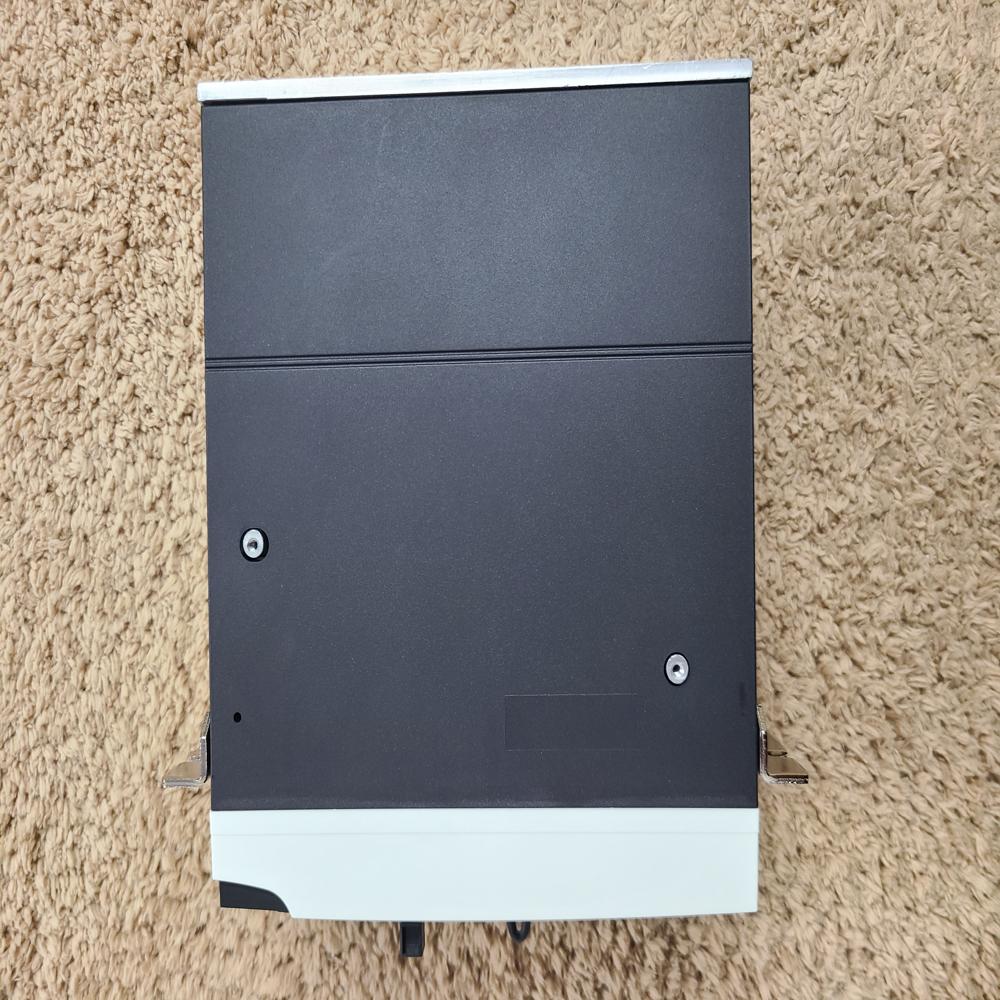
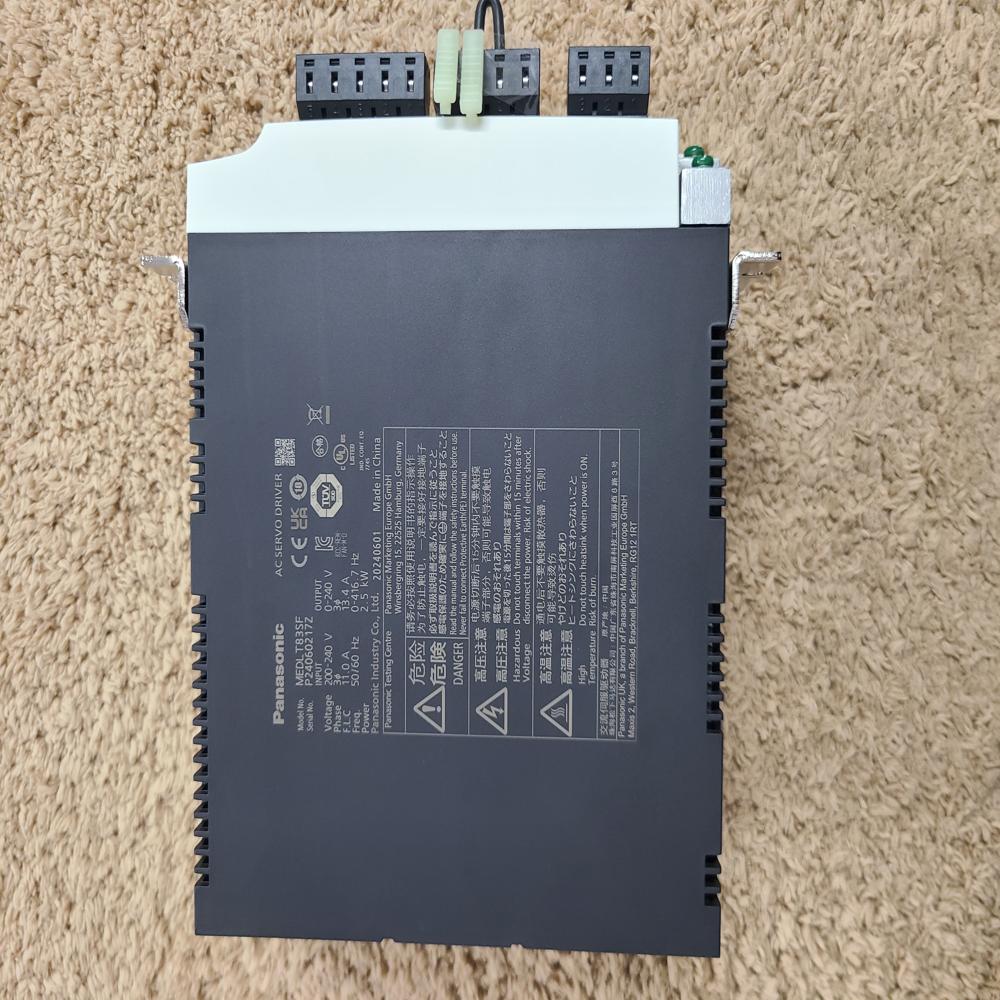
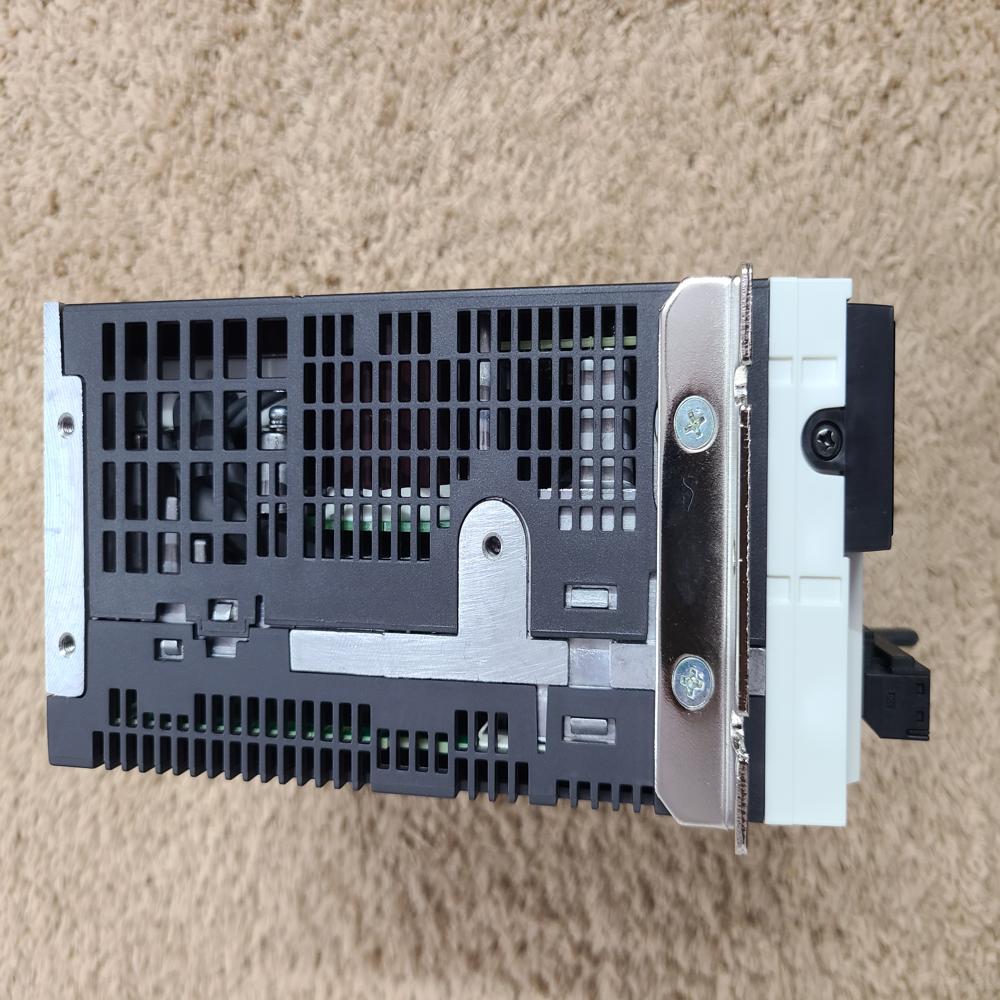
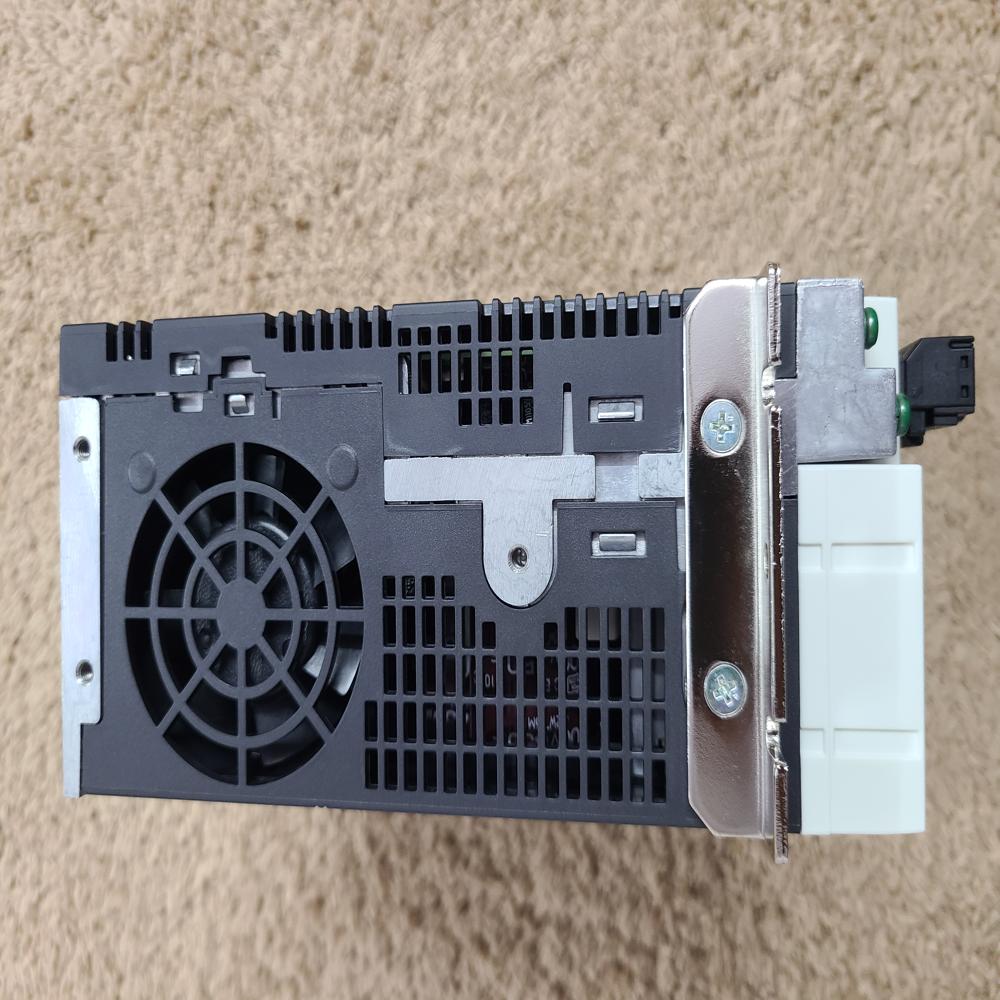
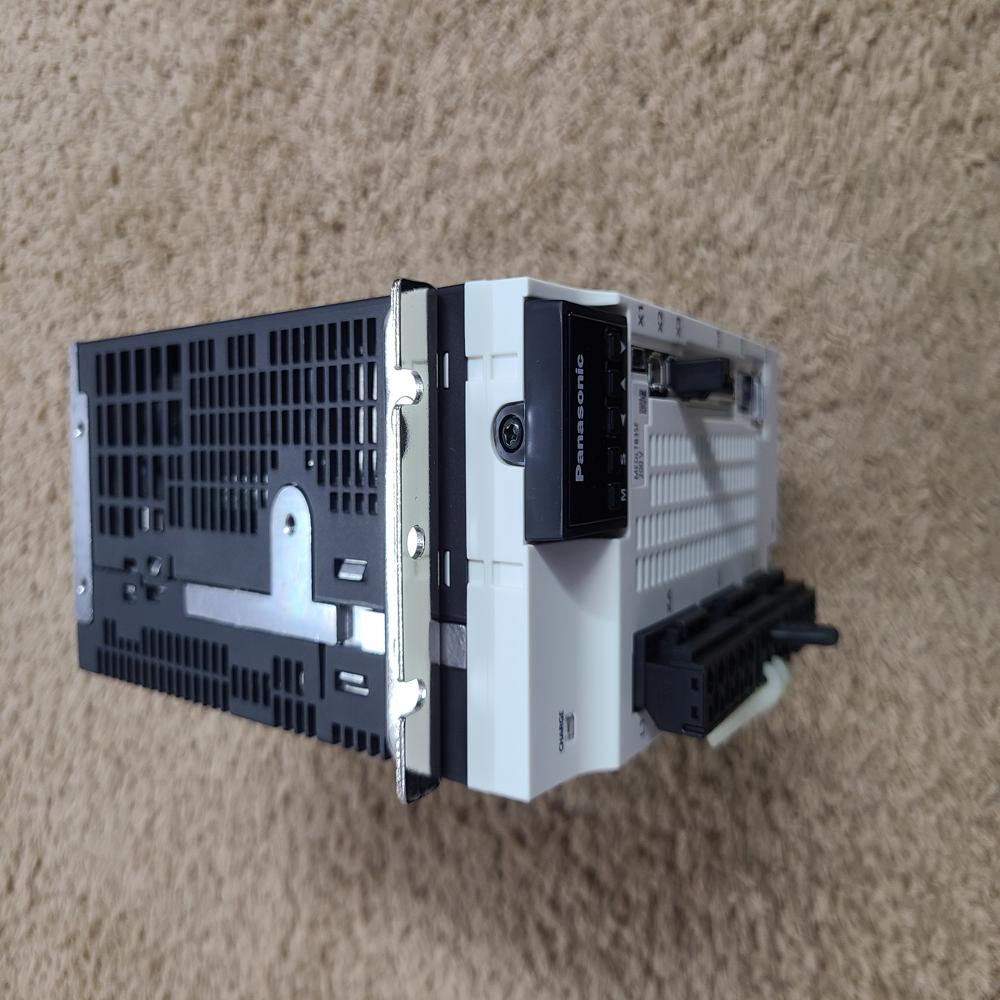
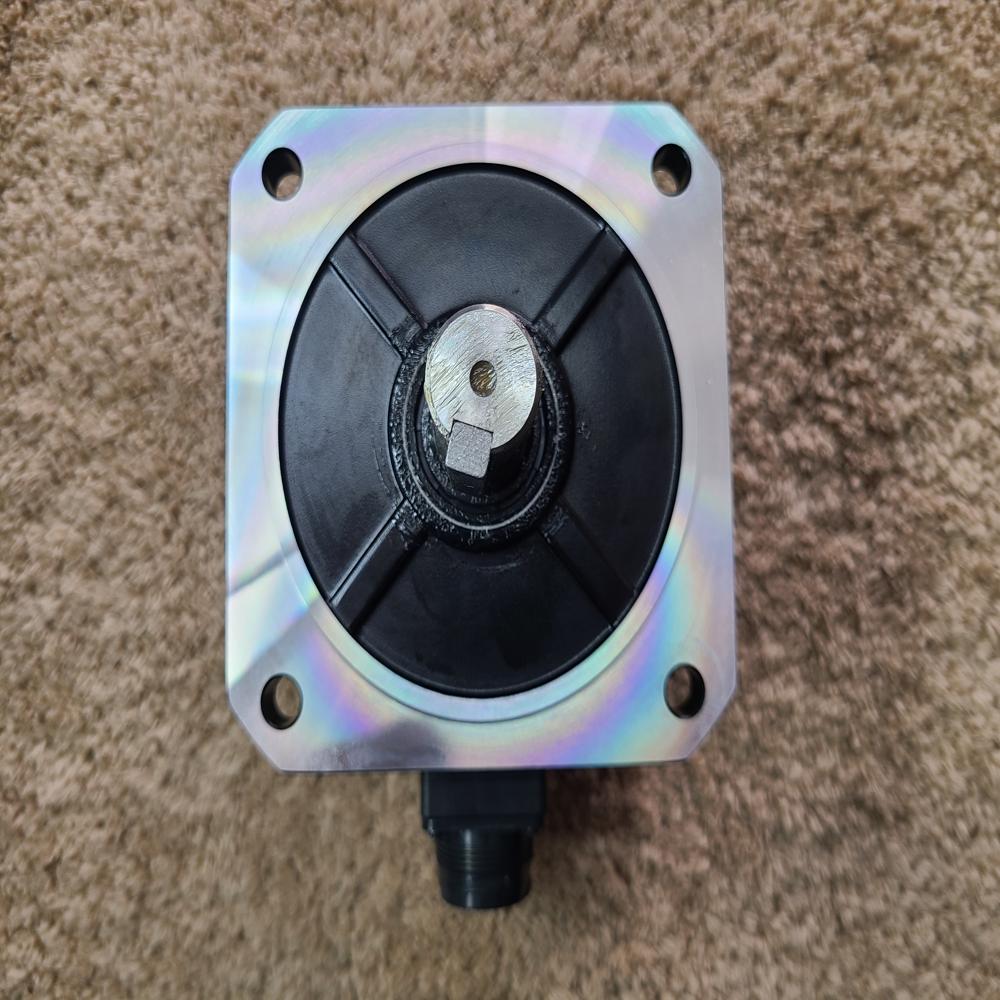
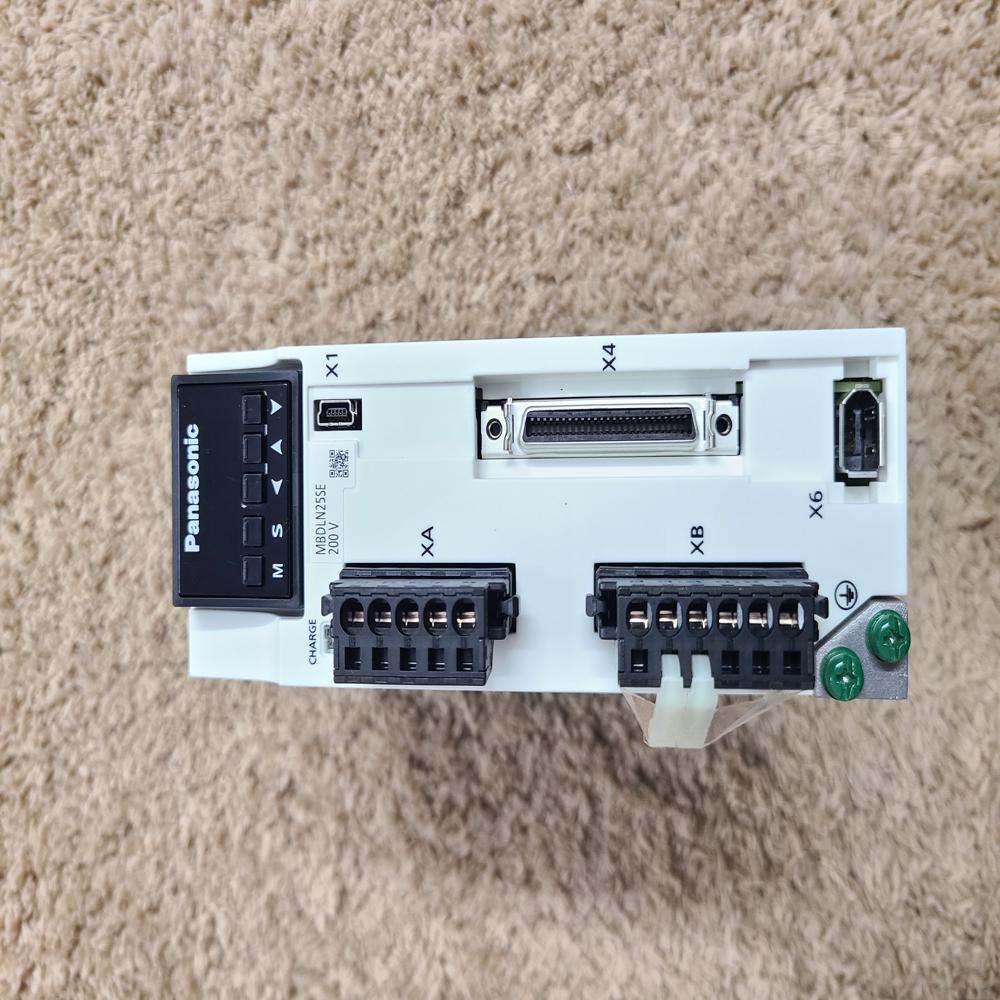
The Panasonic MEDLT83SF (A6SF series) is a high-performance
E-Frame AC servo driver from the MINAS A6 family. While often associated with 2000W motors, it is also the designated driver for several 2.5 kW and higher-output motor configurations in the A6 lineup. [
1,
2,
3,
4]
The primary function of the Panasonic MEDLT83SF is to act as the "brain" and "power station" for high-wattage A6 servo motors (2.0kW to 2.5kW+). It translates low-power commands from a controller into the high-power electricity needed to move heavy industrial loads with surgical precision.
1. Multifunction Control Hub
Unlike basic drivers that only handle one type of movement, the A6SF series is a "universal" driver. It can switch between:
- Position Control: Moves the motor to an exact coordinate (used in robotics and CNC).
- Velocity Control: Maintains a precise rotation speed (used in spindles or conveyors).
- Torque Control: Maintains a specific amount of "pushing force" (used in tensioning or pressing).
- Full-Closed Loop: Uses an external scale (like a linear encoder) to correct for mechanical errors in the machine frame itself.
2. High-Speed "Real-Time" Tuning
This driver functions as an active stabilizer.
- 3.2 kHz Response: It checks the motor's position and adjusts the power 3,200 times every second. This allows the machine to react instantly to changes in load without shaking.
- Auto-Tuning: It automatically senses the weight of the machine's arm or table and adjusts its internal math to ensure the smoothest possible movement without the user having to be an expert in physics.
3. Machine Safety (STO Function)
The driver serves a critical safety role via the Safe Torque Off (STO) function.
- It provides a hardware-level way to cut power to the motor instantly if a safety gate is opened or an E-Stop is pressed, ensuring the motor cannot restart accidentally while someone is working on the machine.
4. Vibration & Resonance Suppression
Mechanical parts often "ring" or vibrate at high speeds. The MEDLT83SF functions as a digital filter:
- Adaptive Notch Filters: It identifies the specific frequency of a machine's vibration and "cancels it out" electronically, allowing for faster cycle times without noise or mechanical wear.
5. Communication Bridge
- Interface: It bridges the gap between different control systems, accepting Analog signals, Pulse trains, or digital data via Modbus (RS485/RS232).
- Feedback: It communicates the 23-bit data from the motor's encoder back to the main PLC so the system always knows the exact location of the machine.

 Send Inquiry



 Send Inquiry

 Send Inquiry
 English
 Spanish
 French
 German
 Italian
 Chinese (Simplified)
 Japanese
 Korean
 Arabic
 Portuguese