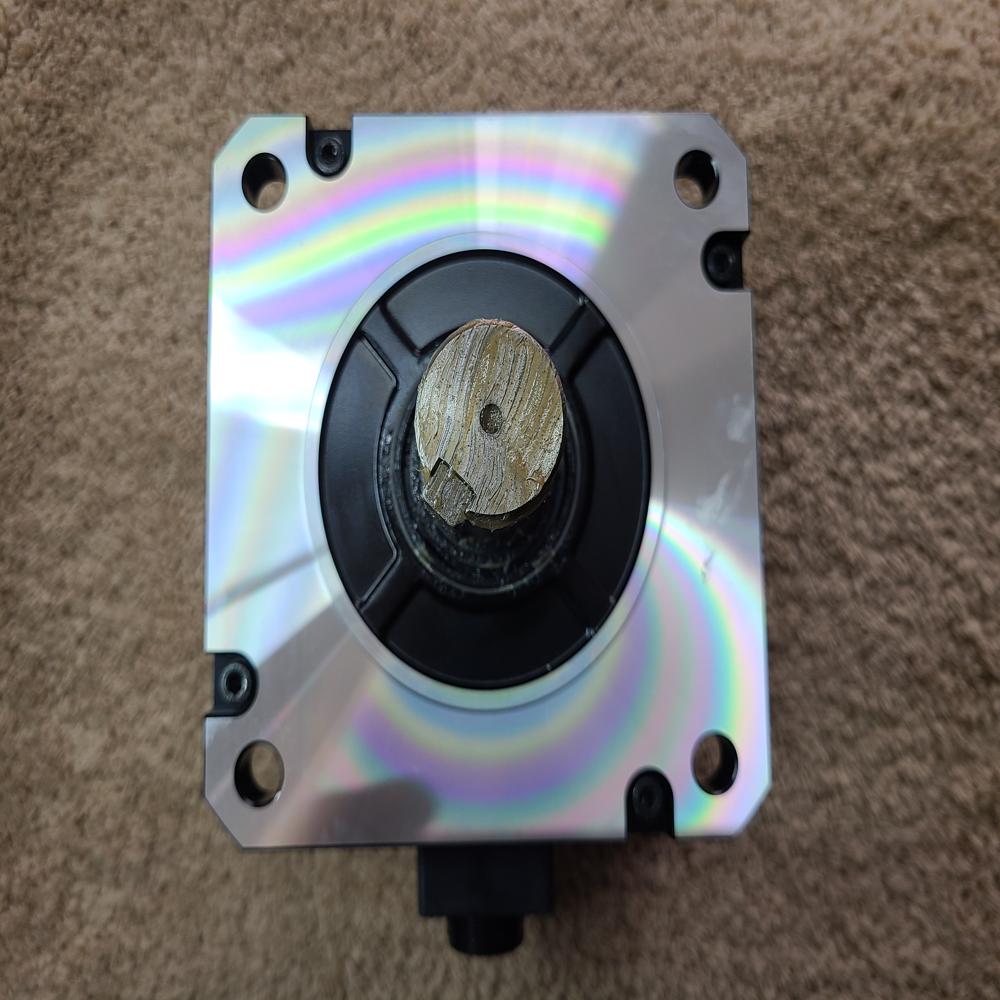
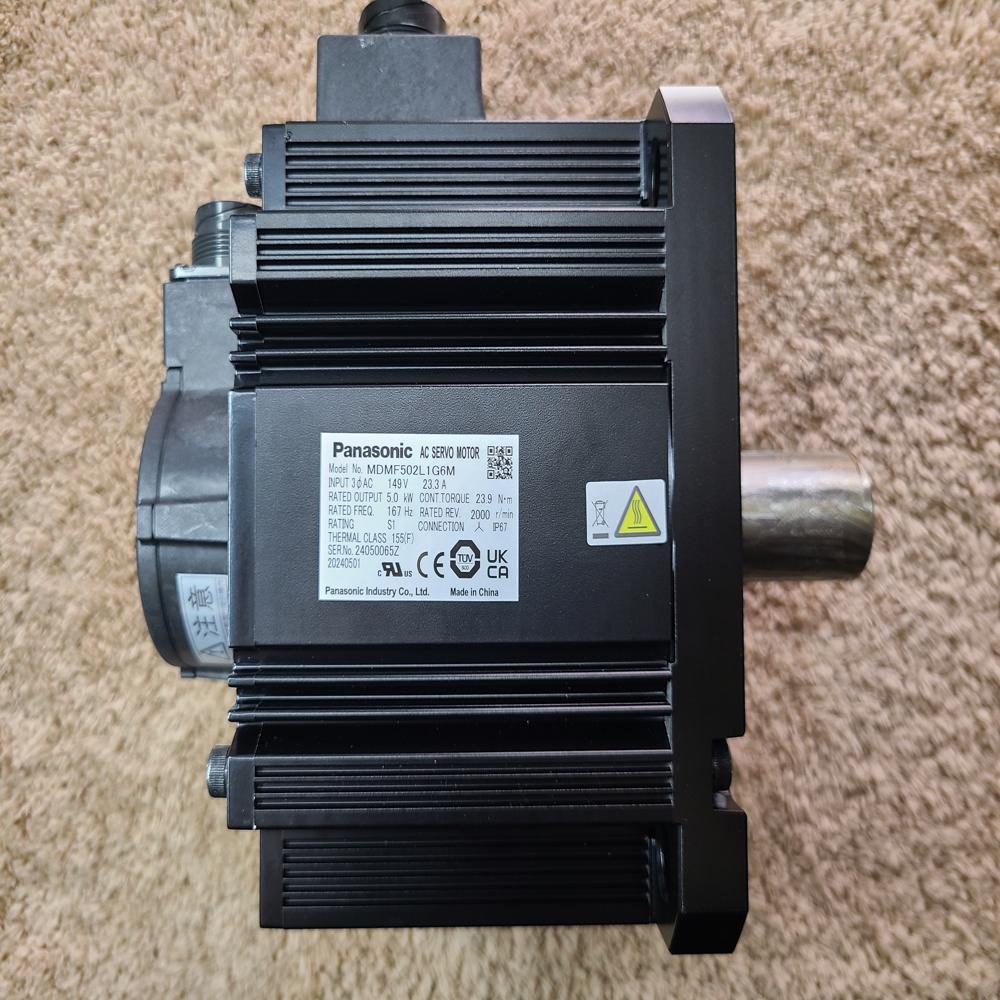
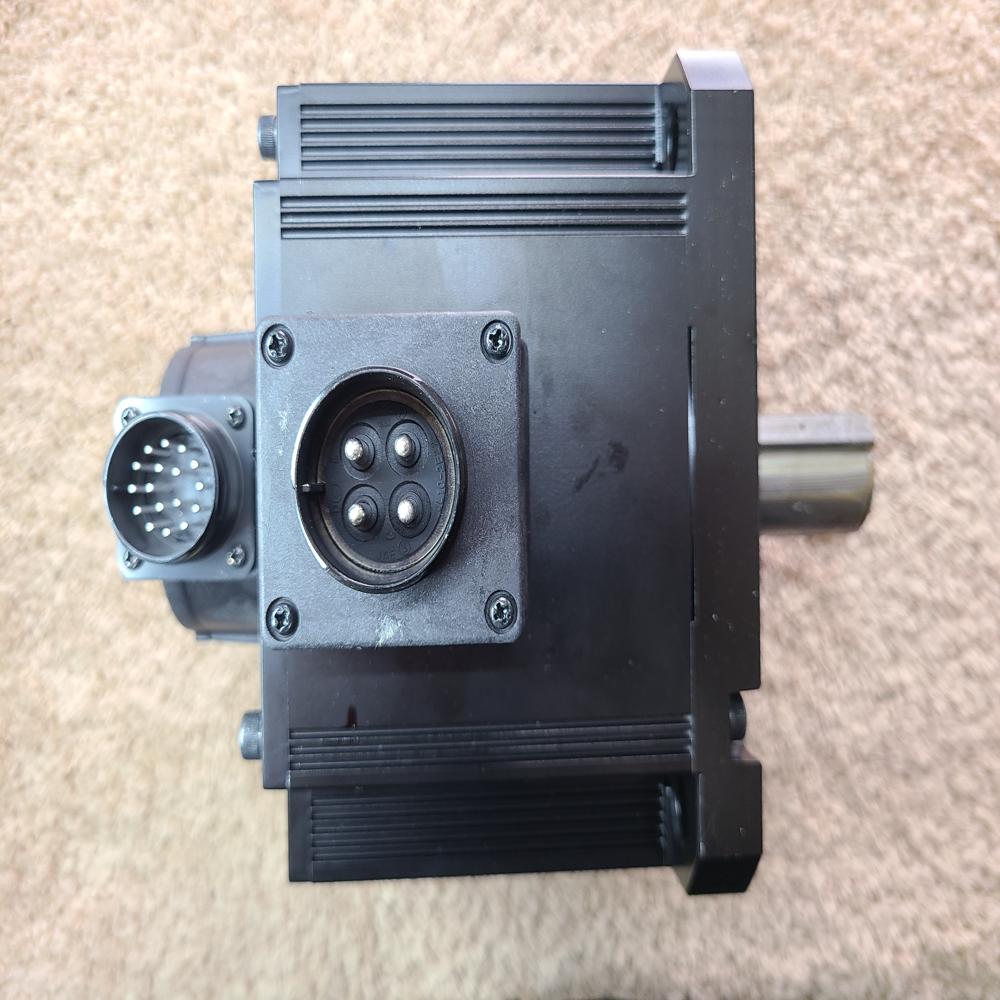
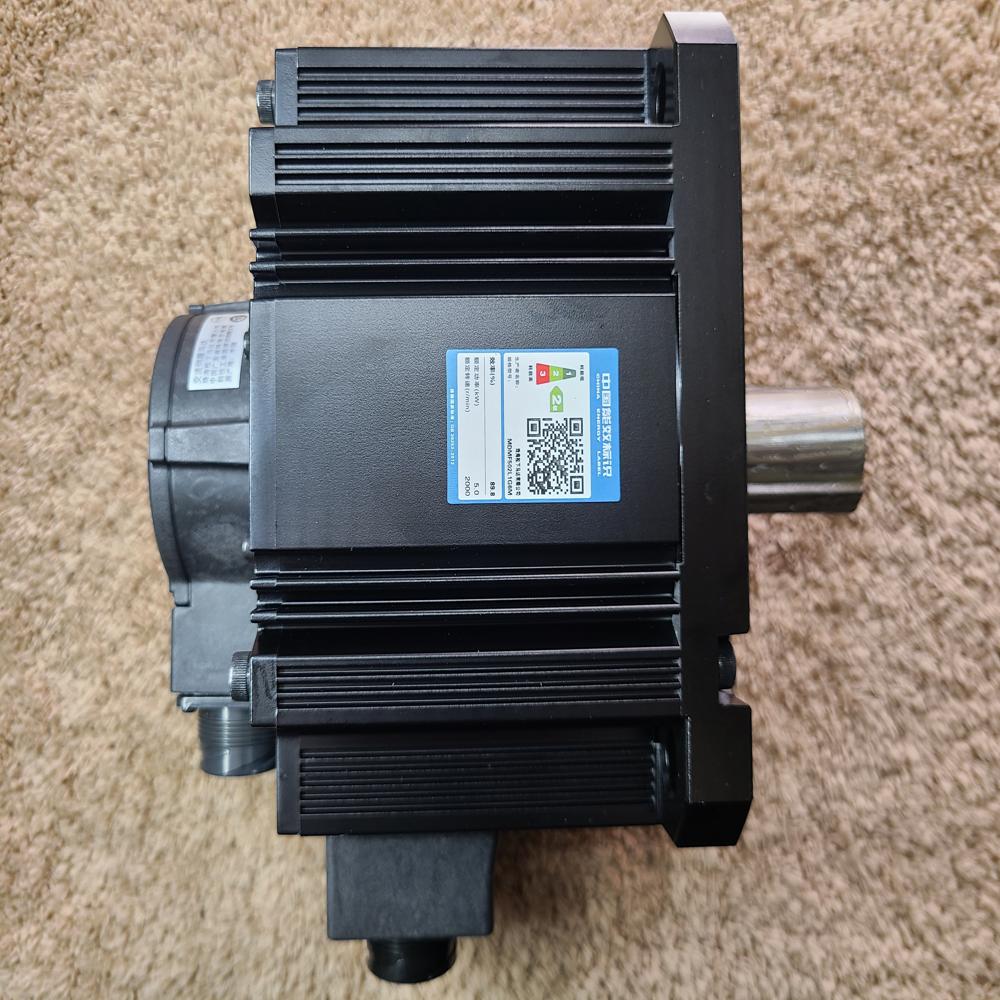
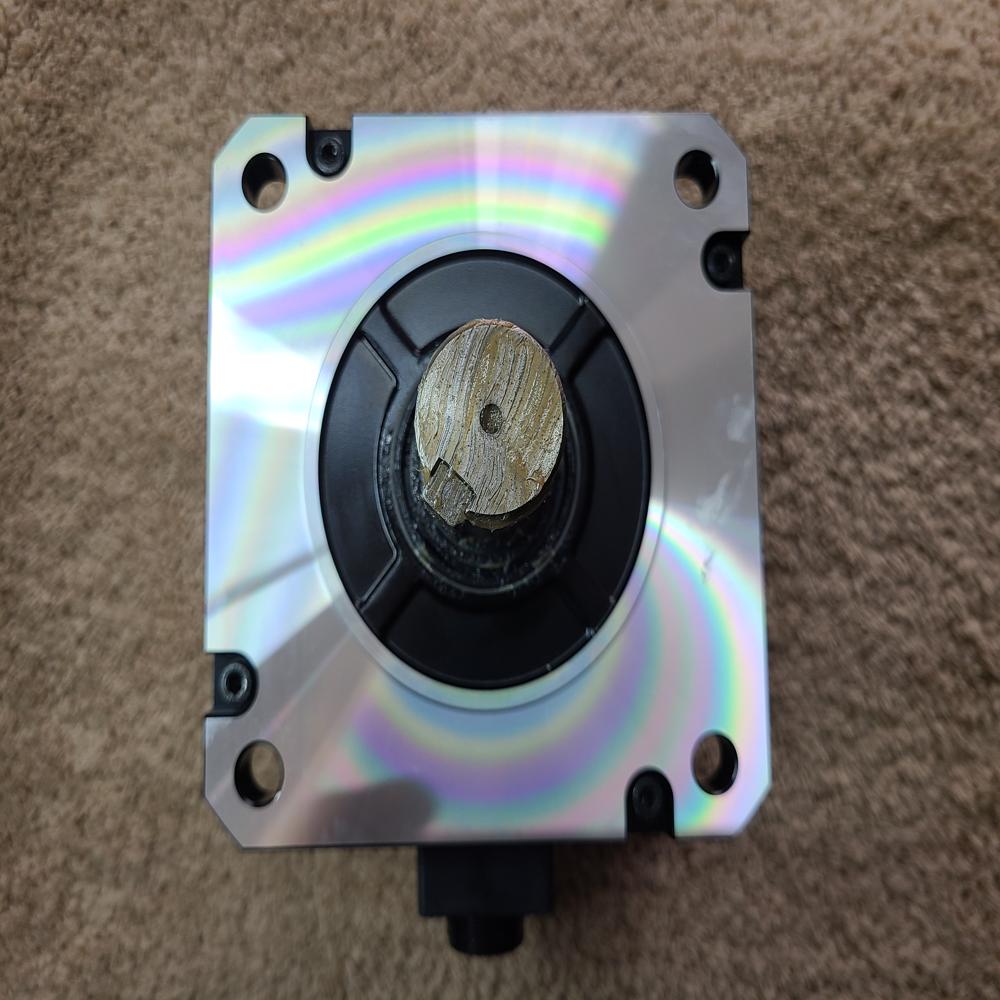
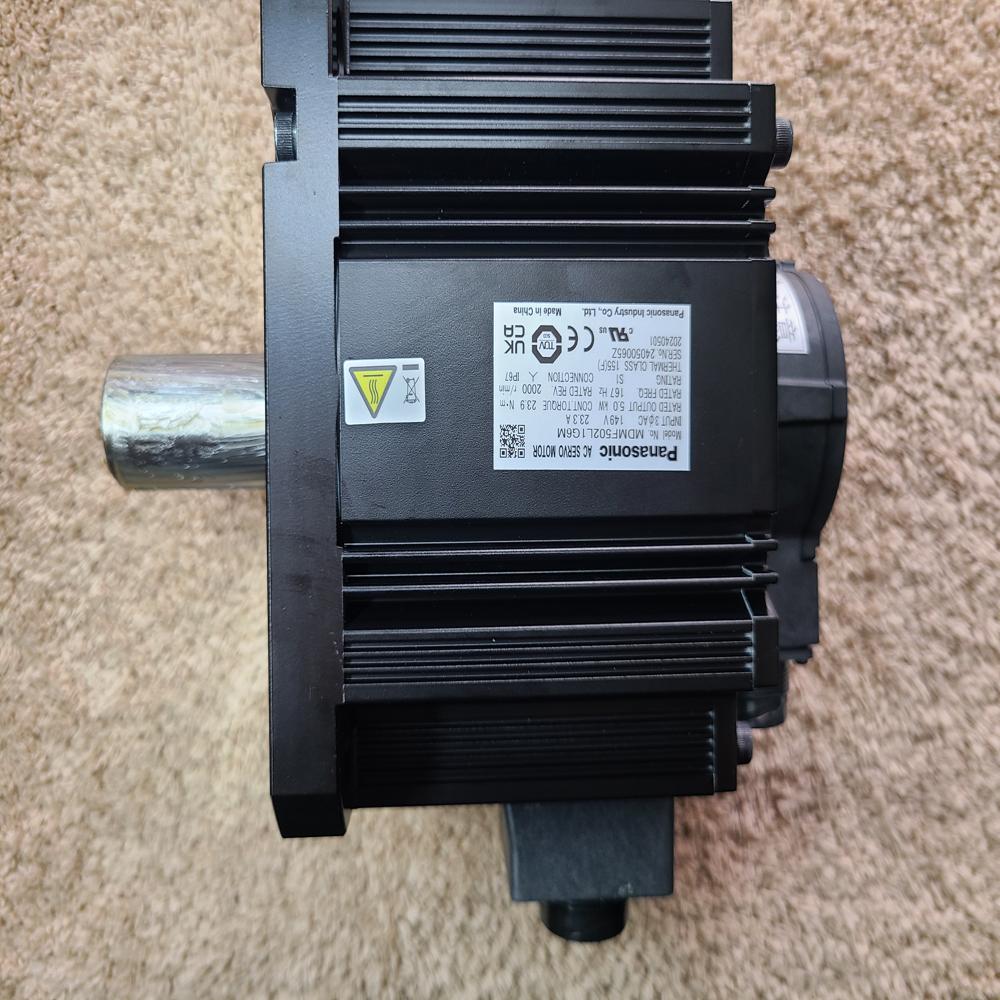
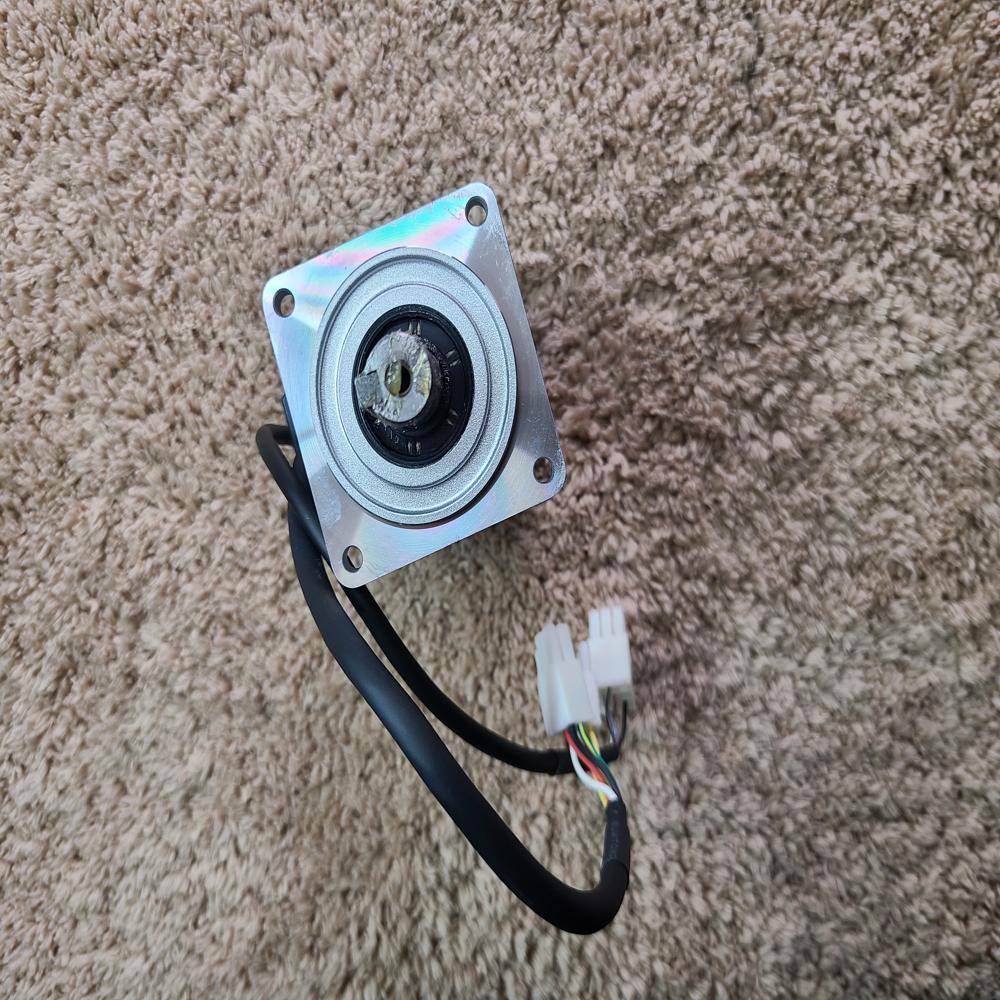
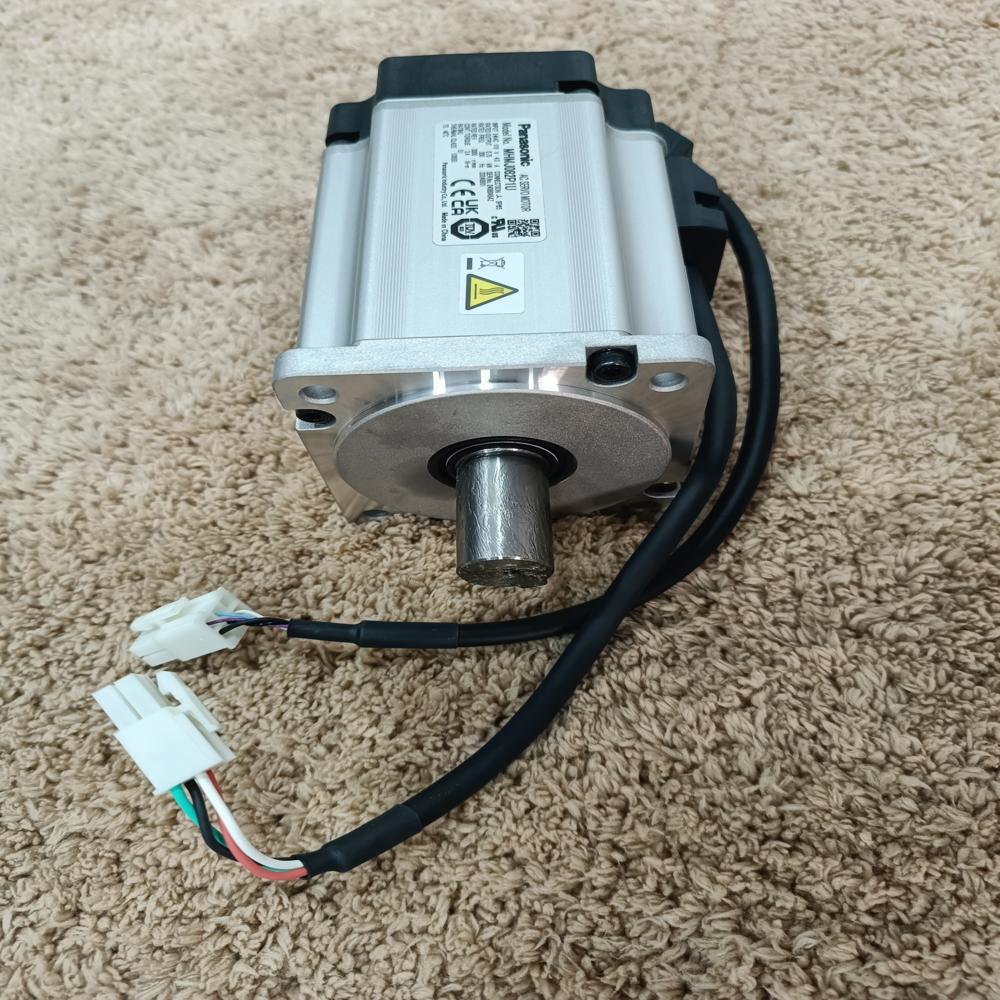
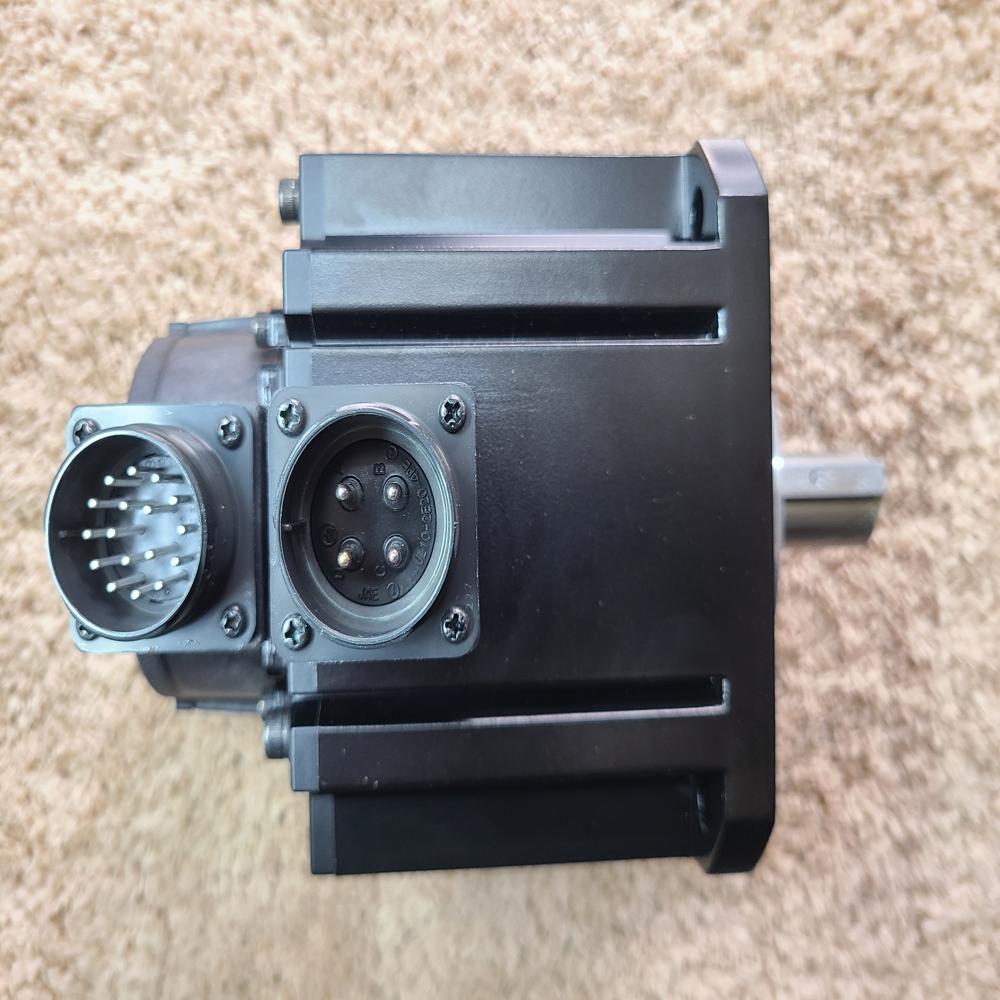
The Panasonic MINAS A6 MDMF752L1G6M serves as a precision actuator in industrial automation, designed to convert electrical energy into highly accurate mechanical motion. As part of the
MINAS A6 Family, it is engineered for advanced manufacturing where high power and responsive control are critical. [
1,
2]
Primary Operational Functions
- High-Resolution Feedback: The motor features a integrated 23-bit absolute encoder (8,388,608 pulses per revolution). This allows the system to monitor the exact position of the motor shaft at all times, ensuring safe and precise positioning without needing a home-return operation after power loss.
- Dynamic Response: It utilizes a 3.2 kHz frequency response, which is significantly faster than previous models. This enables the motor to react rapidly to commands, reducing settling time by approximately 64% and improving overall machine productivity.
- Torque Control & Stabilization: The motor includes advanced internal functions like adaptive notch filters and friction torque compensation. These automatically detect and eliminate machine vibrations or resonances, keeping the operation stable even when the load's inertia changes. [1, 2, 3, 4, 5]
Typical Applications
Due to its
Middle Inertia design and 47.8 Nm of rated torque, this motor is specifically suited for high-load machinery that requires a balance between speed and stability: [
1,
2]
- CNC Machinery: Driving heavy-duty axes in milling or lathe machines.
- Industrial Robotics: Powering joints in large robotic arms for material handling.
- Packaging Systems: High-speed, high-torque sorting and wrapping lines.
- Semiconductor Manufacturing: Precise positioning in LCD or chip production equipment. [1, 2, 3]
Environment & Protection
- Sealing: Rated at IP67, the motor is protected against dust and water immersion. It features a highly heat-resistant and oil-tight oil seal, making it functional in harsh industrial environments where oil or powder may be present.
- Durability: The robust construction and lifespan diagnosis functions warn of potential deterioration, helping to prevent unscheduled downtime. [1, 2, 3, 4, 5]

 Send Inquiry



 Send Inquiry

 Send Inquiry
 English
 Spanish
 French
 German
 Italian
 Chinese (Simplified)
 Japanese
 Korean
 Arabic
 Portuguese