About MKDET1505P Panasonic MUMA 100W Driver
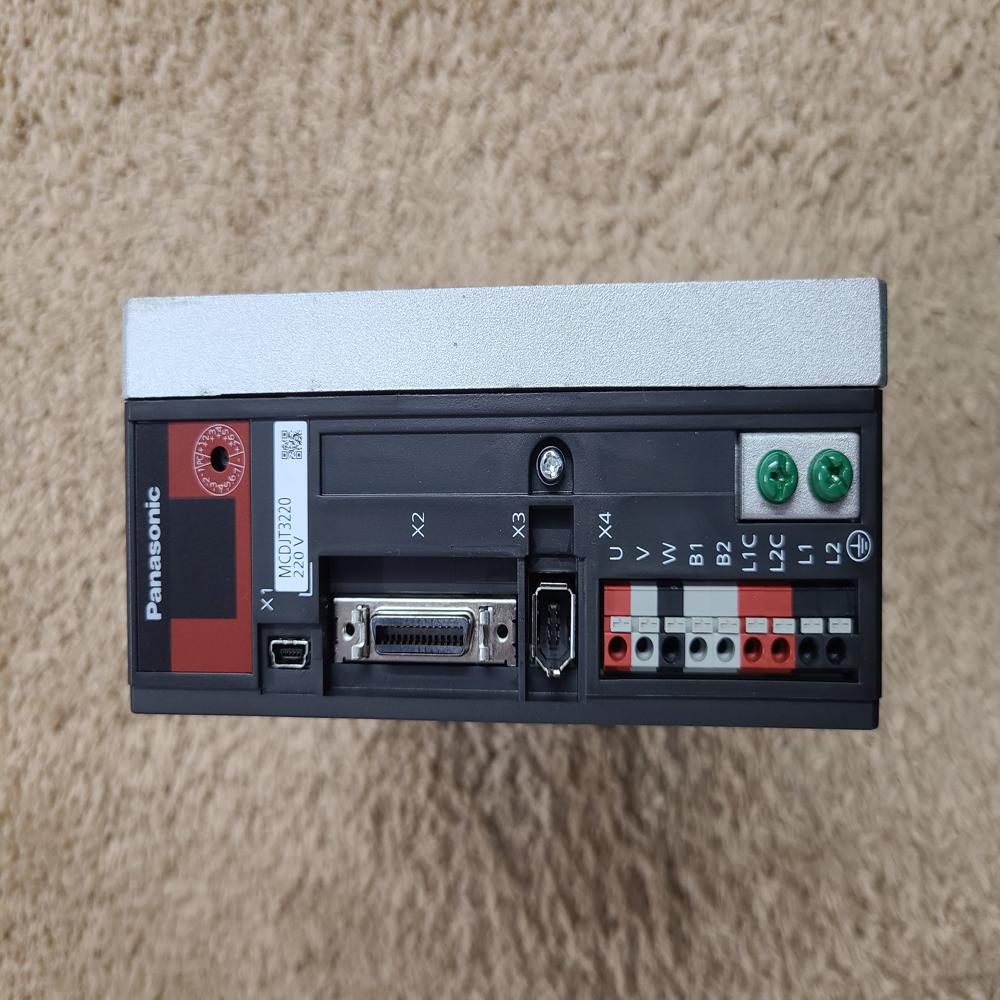
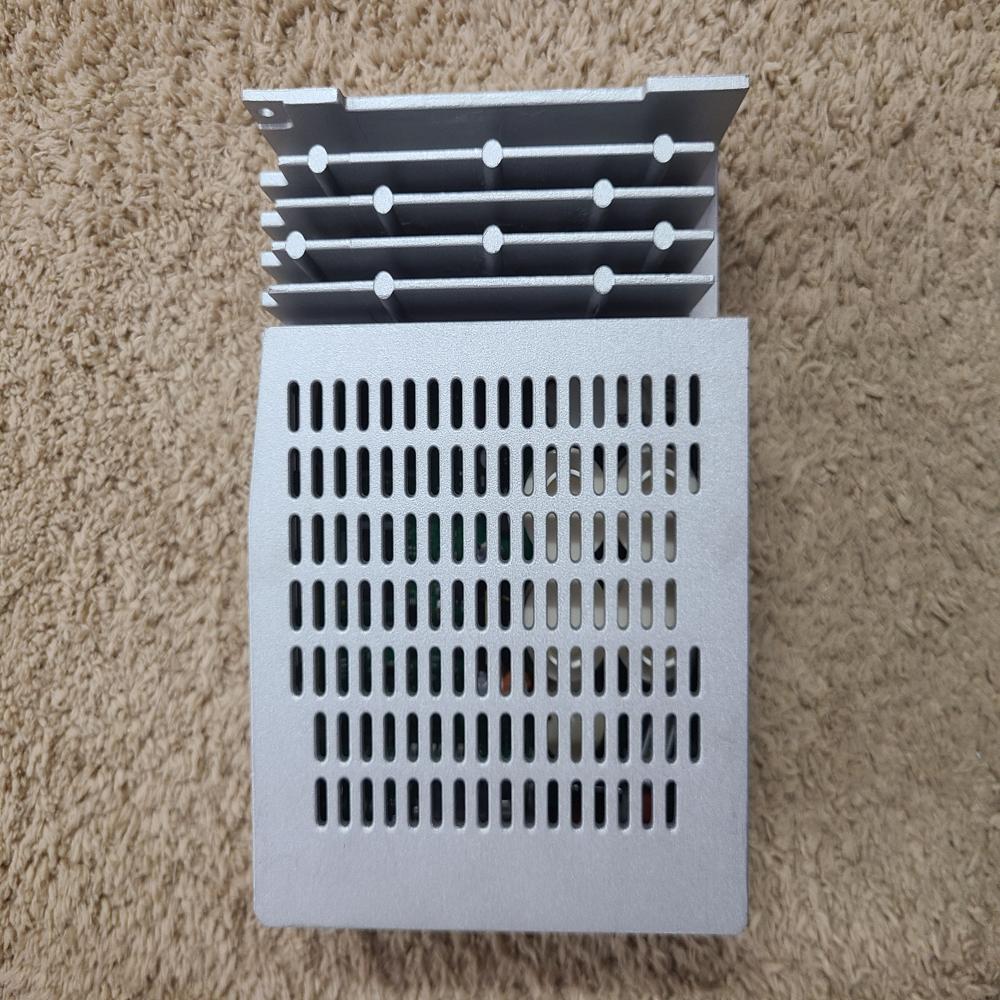
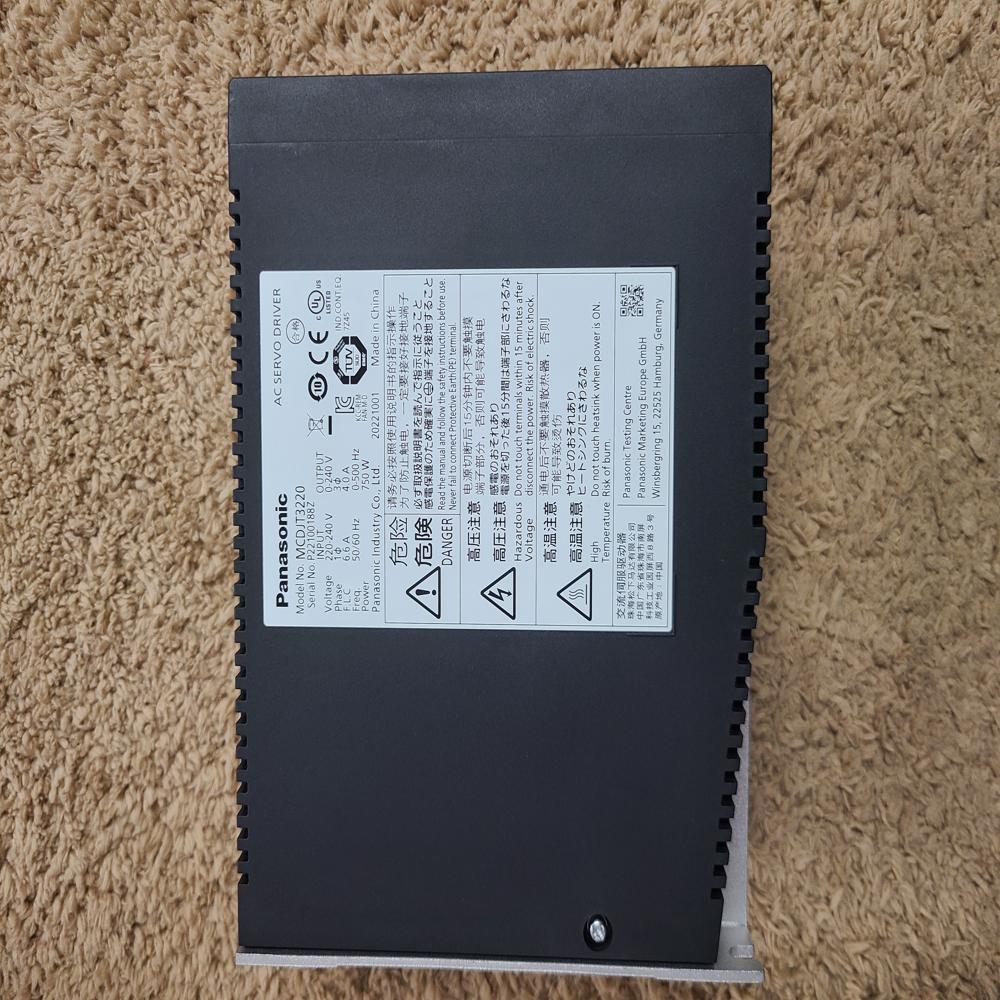
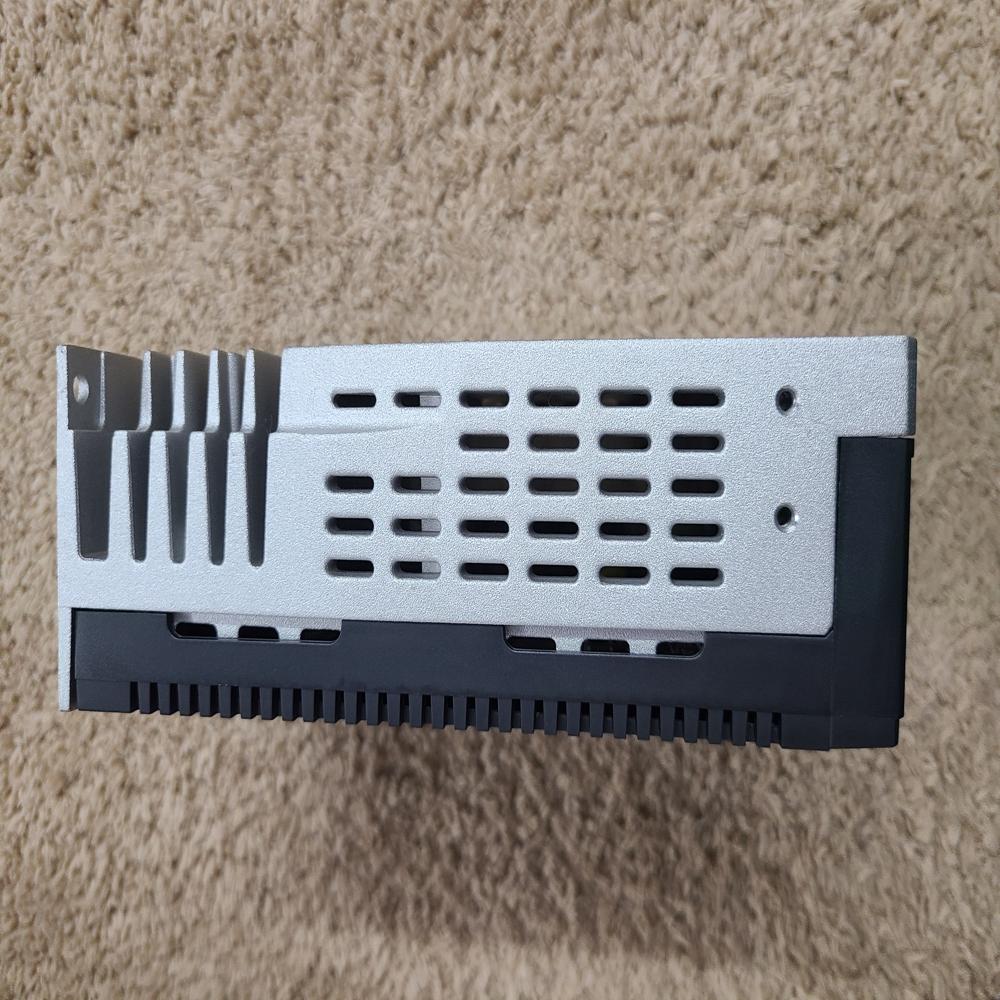
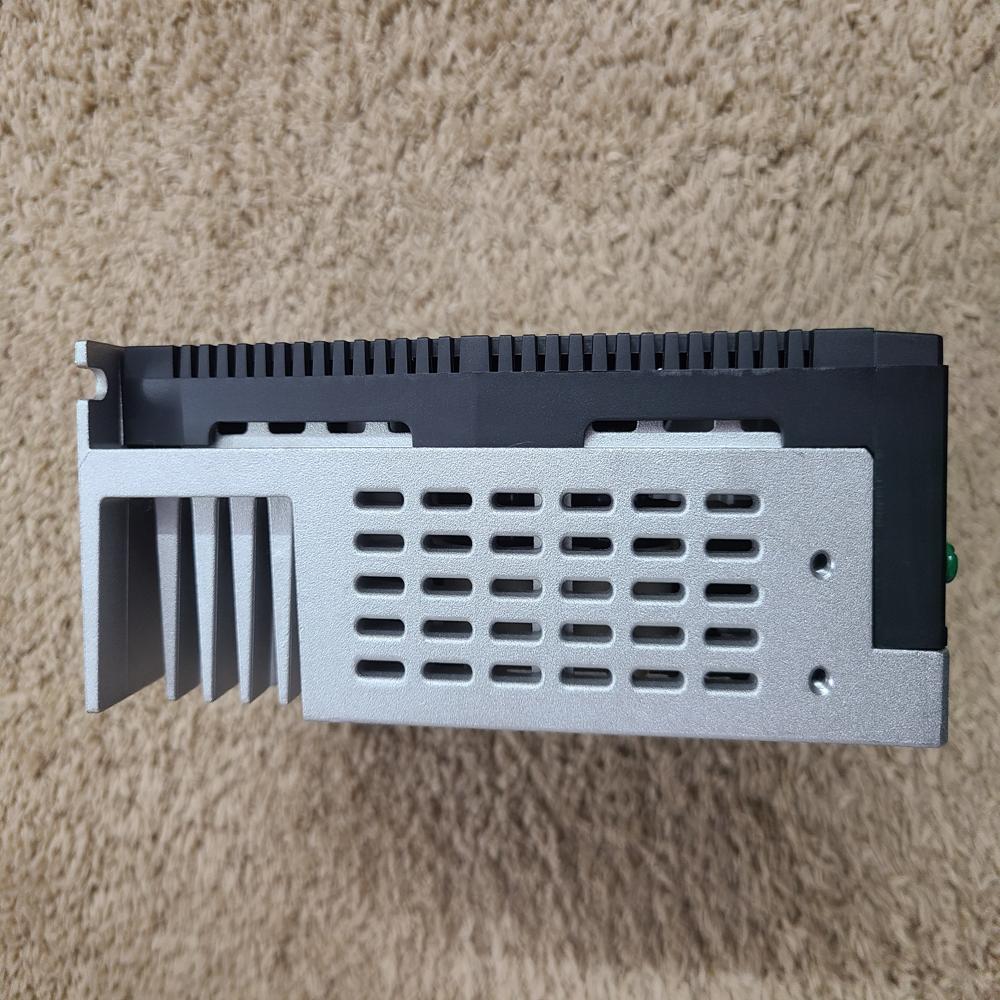
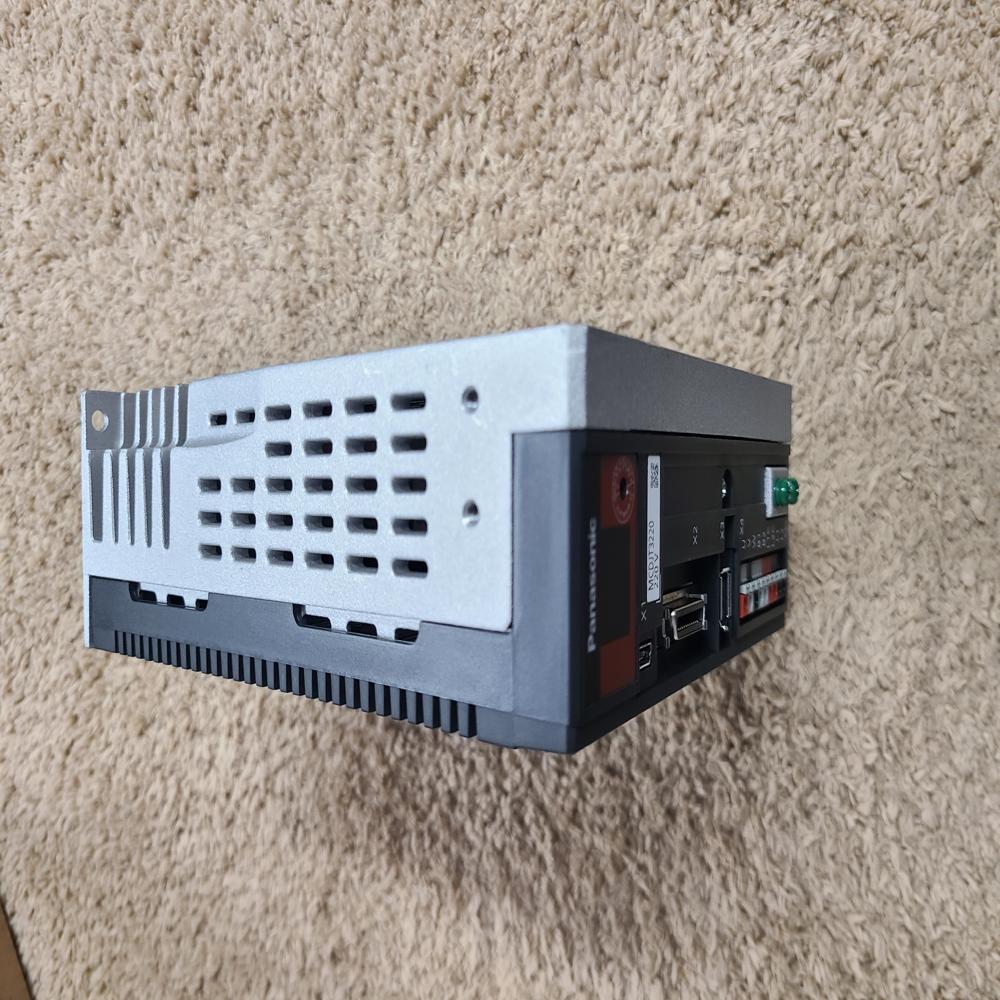
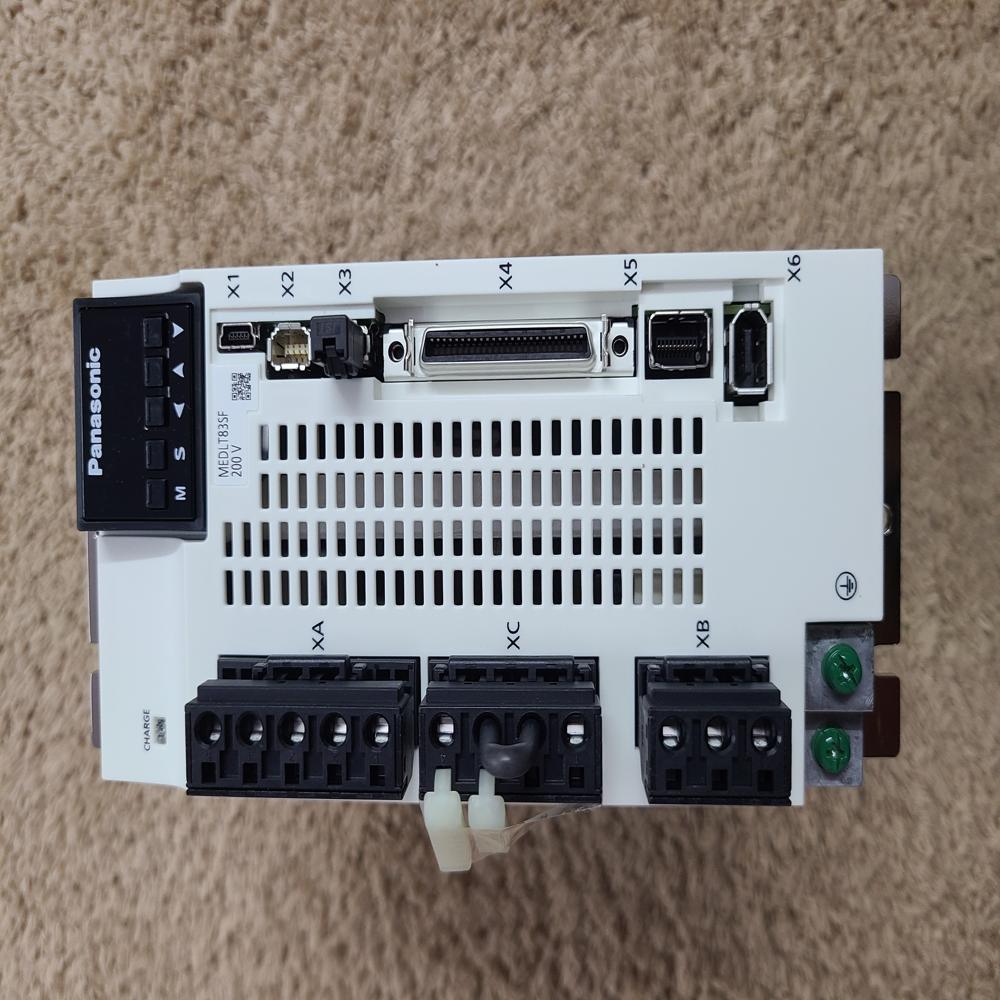
The Panasonic MKDET1505P is the dedicated
MINAS E-series servo driver designed specifically to control the
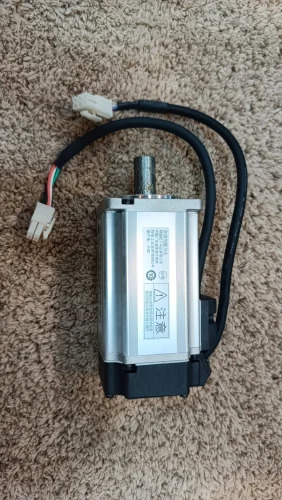
MUMA012P1S 100W motor. It provides the power and logic required to drive the motor in high-precision automation tasks. [
1,
2]
Dimensions and Weight
Since you need the measurements in inches, here are the physical specifications for this driver unit:
- Width: 1.77" (45 mm)
- Height: 5.91" (150 mm)
- Depth: 5.12" (130 mm)
- Weight: 1.76 lbs (0.80 kg)
Core Function
The
MKDET1505P acts as the "brain" for the motor, performing the following tasks:
- Closed-Loop Control: It receives feedback from the motor's encoder to ensure the shaft is exactly where it should be.
- Power Conversion: It converts 200V AC input power into the precise electrical signals needed to move the 100W motor.
- Resonance Suppression: Includes the same software filters as the motor to stop mechanical vibrations and "chatter" during high-speed movements.
- Error Monitoring: Protects the system by detecting over-current, over-voltage, or position errors and stopping the motor to prevent damage.
The Panasonic MKDET1505P is a compact, book-shelf style driver. Here are the dimensions and weight in inches:
Physical Dimensions
- Height: 5.91" (150 mm)
- Width: 1.77" (45 mm)
- Depth: 5.12" (130 mm)
Weight
- Net Weight: 1.76 lbs (0.80 kg)
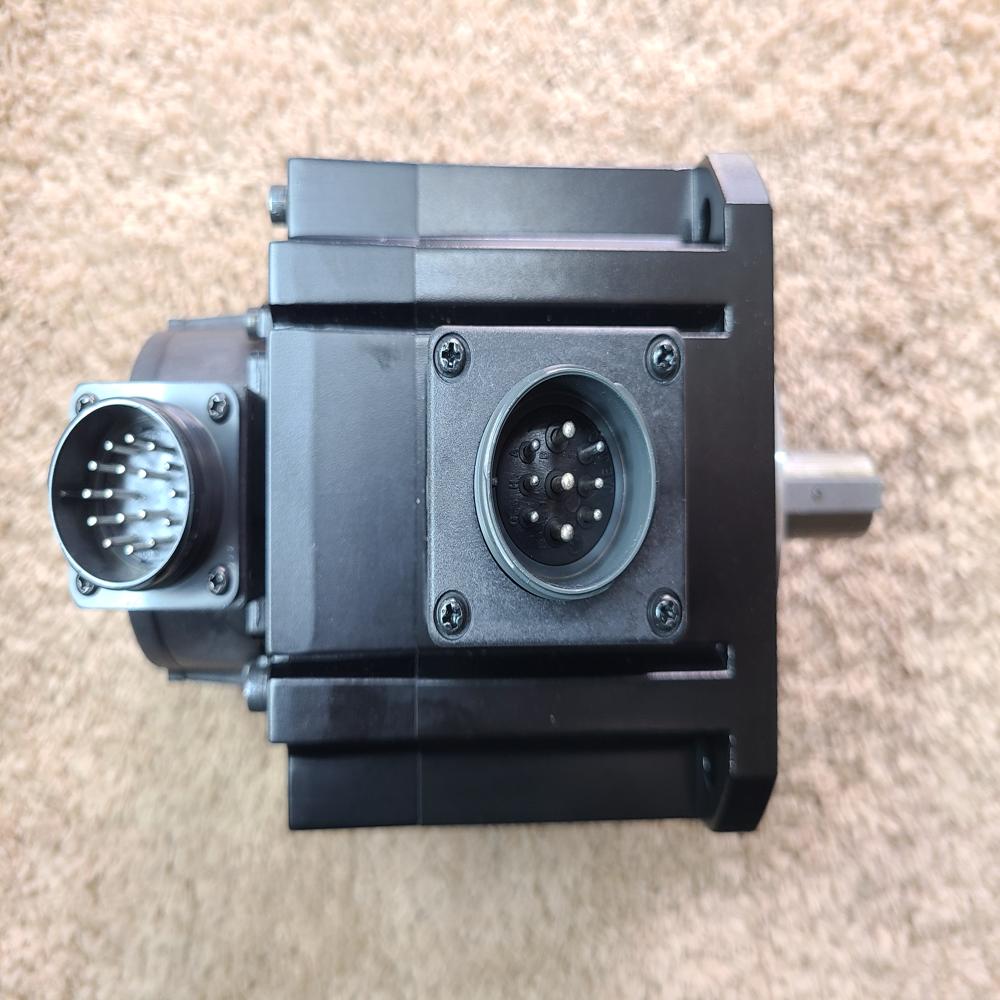
The Panasonic MKDET1505P serves as the Servo Driver (the brain and power supply) for the MUMA 100W motor. Its primary function is to translate low-power command signals from a controller (like a PLC) into high-power electricity to move the motor.
Core Functions
- Closed-Loop Control: It constantly compares the "target position" from your controller to the "actual position" reported by the motor's encoder. If there is even a tiny difference, it corrects it instantly.
- Vibration Suppression: It features Adaptive Filters that automatically detect mechanical resonance (shaking) in your machine and tune the frequency to cancel it out, ensuring smooth motion.
- Real-Time Auto-Tuning: It measures the "load inertia" (how heavy the object being moved is) while the machine is running and adjusts its own power output to maintain accuracy without manual programming.
- Pulse Train Command: It typically operates using Pulse and Direction signals. For every pulse it receives, it moves the motor one "step" or increment.
- Safety & Protection: It monitors the system for faults like over-voltage, over-current, and overheating. If it detects a problem, it trips an "Alarm" to prevent the motor from burning out.
Connection Role
It acts as the middleman between three main parts:
- Power Input: Takes in 200V AC power.
- Controller (PLC): Receives "where to go" commands.
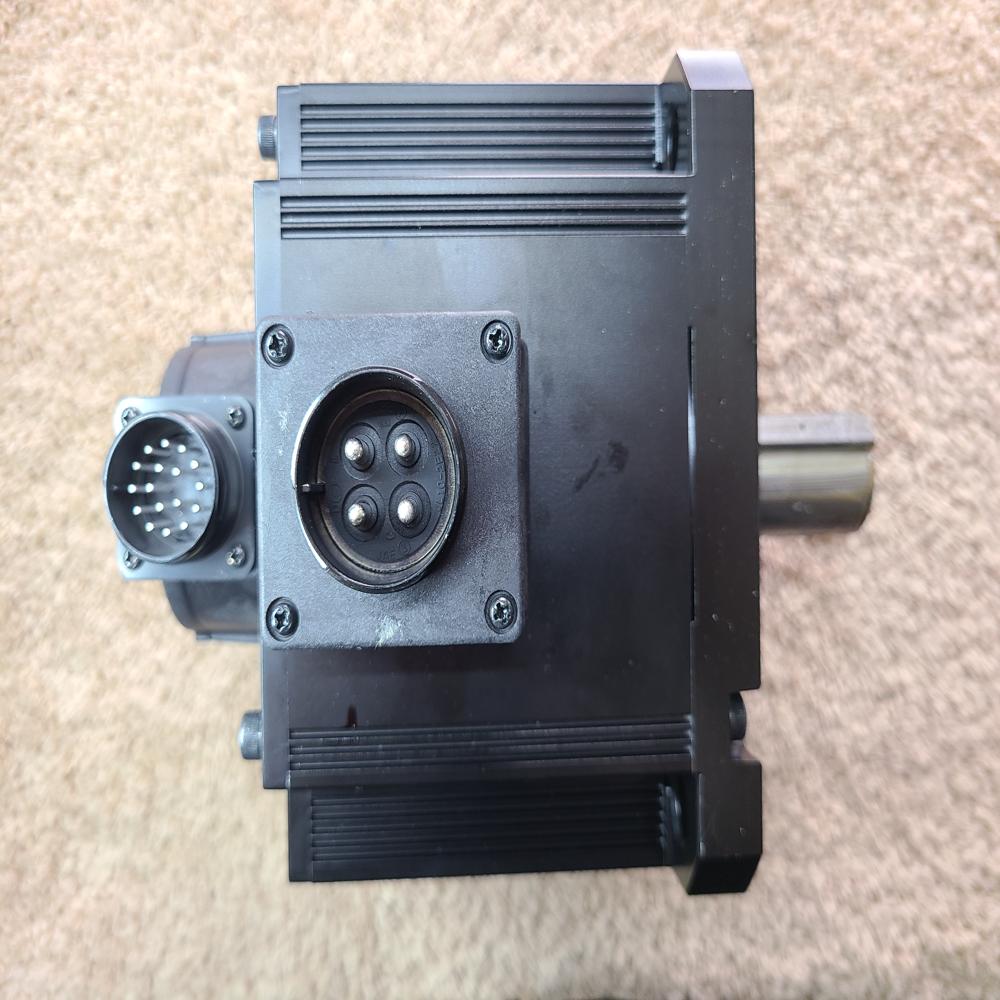
- Motor: Sends the high-voltage power to move the shaft and receives position feedback.

 Send Inquiry



 Send Inquiry

 Send Inquiry
 English
 Spanish
 French
 German
 Italian
 Chinese (Simplified)
 Japanese
 Korean
 Arabic
 Portuguese