
Call: 08037734874
 Send Inquiry
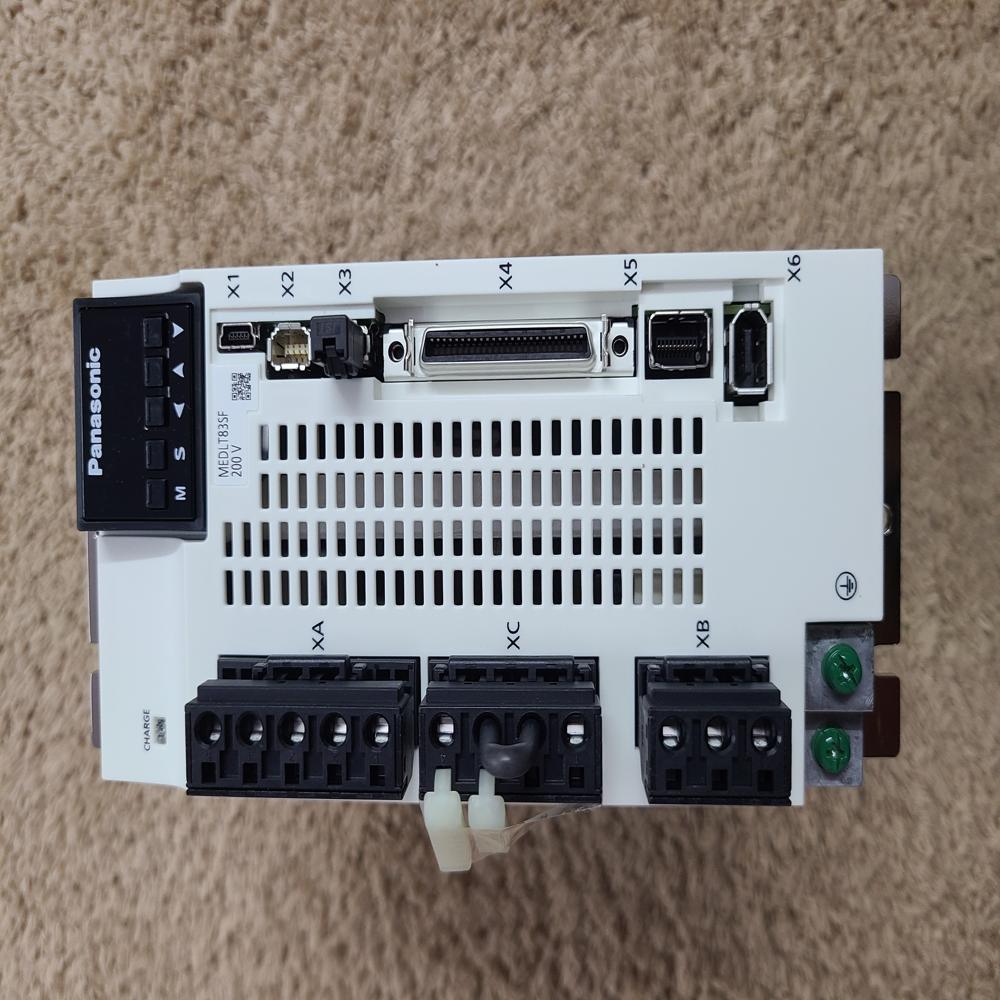
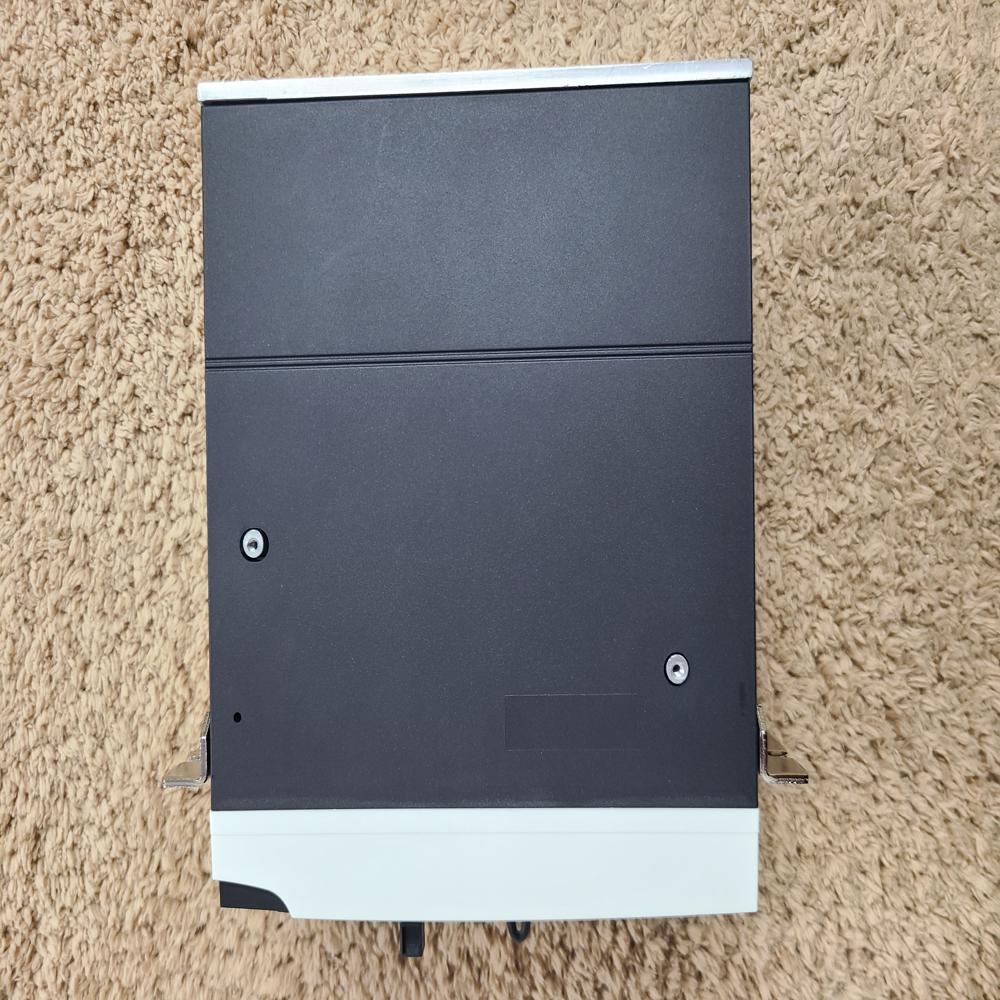
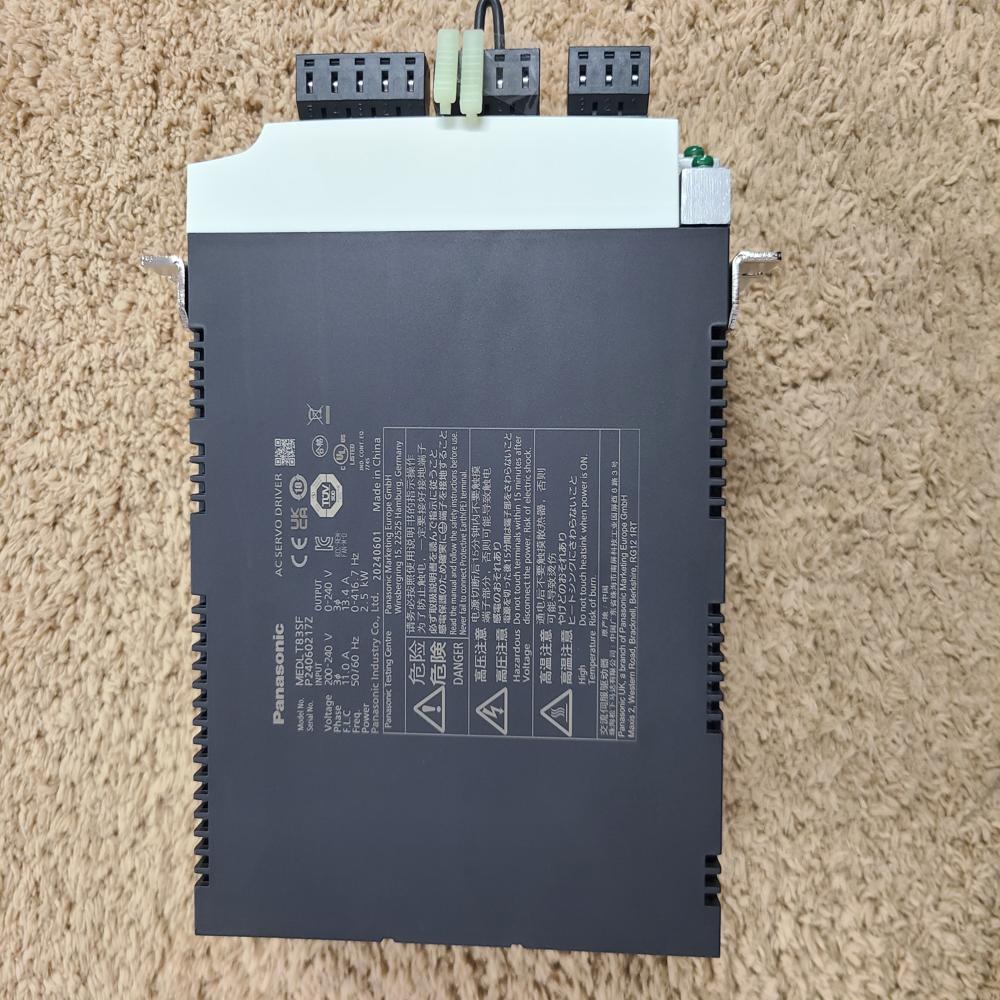
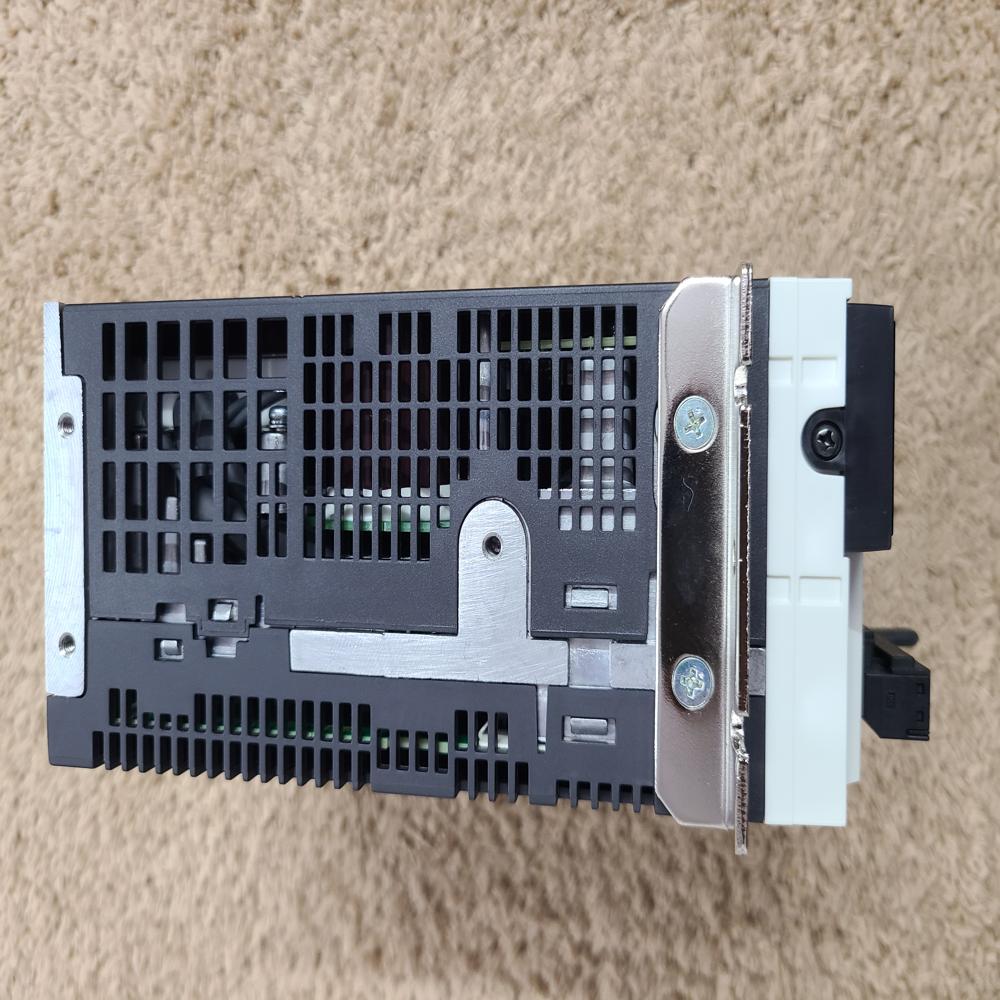
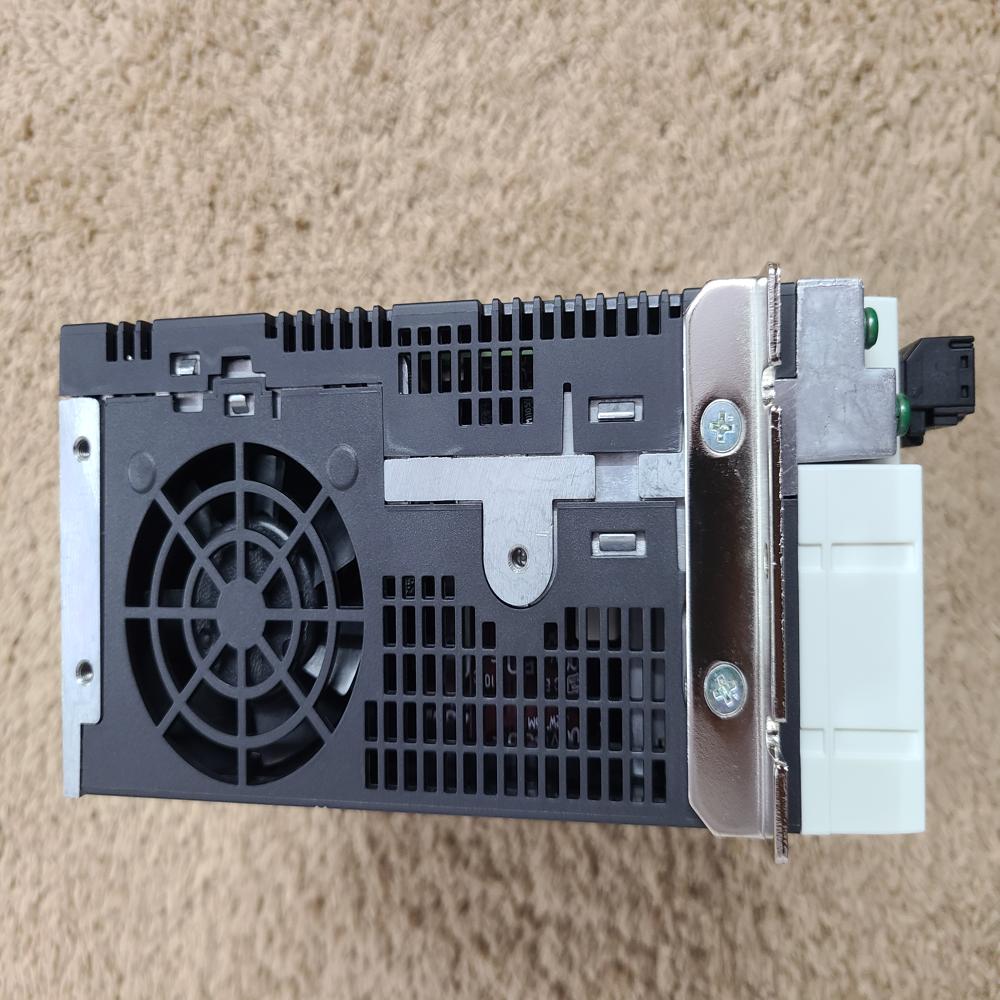
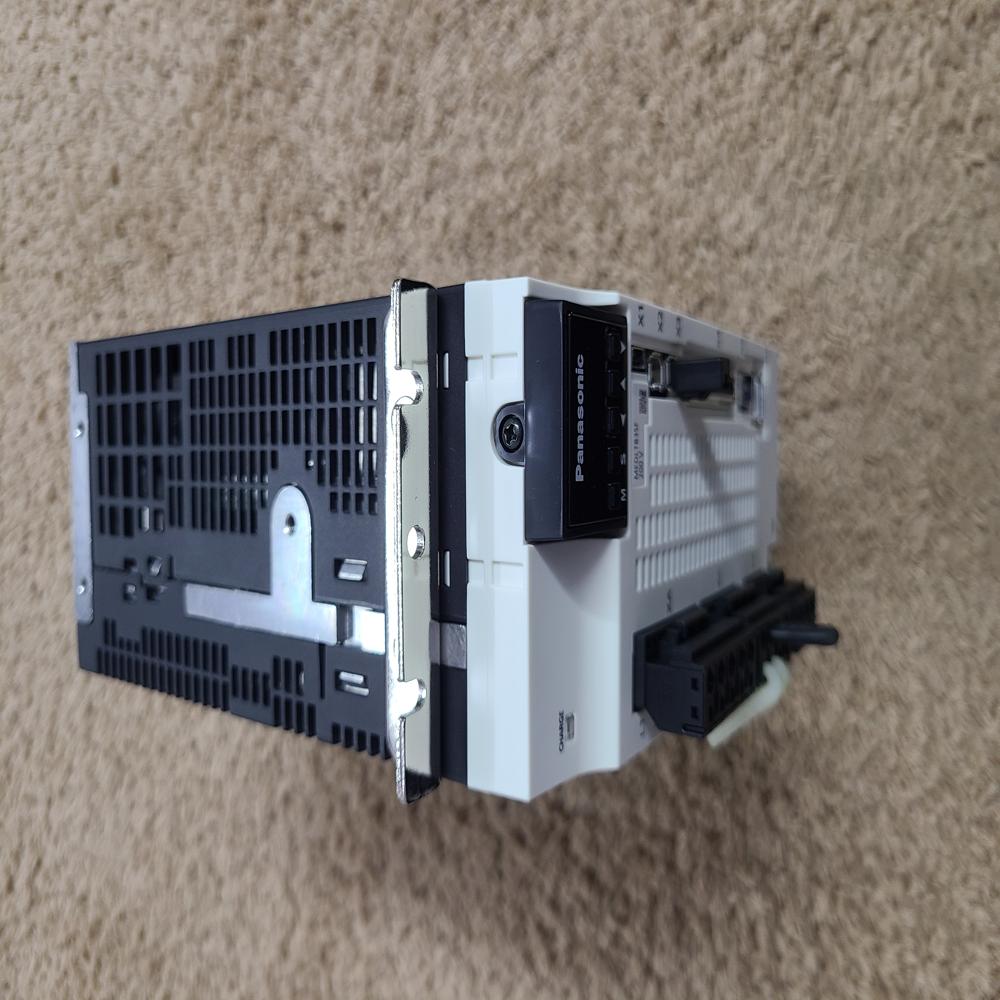
| Feature [1, 2, 3] | Specification |
|---|---|
| Rated Output | 2.0 kW to 2.5 kW+ |
| Series | MINAS A6N (RTEX Network Basic Type) |
| Input Voltage | 3-Phase 200 V to 240 V AC (+10% -15%) |
| Control Method | Position, Velocity, and Torque control |
| Communication | RTEX and USB (for PANATERM setup) |
| Safety Function | Standard NE model is without the safety function (STO) |
| Frame Size | E-Frame |

Price:
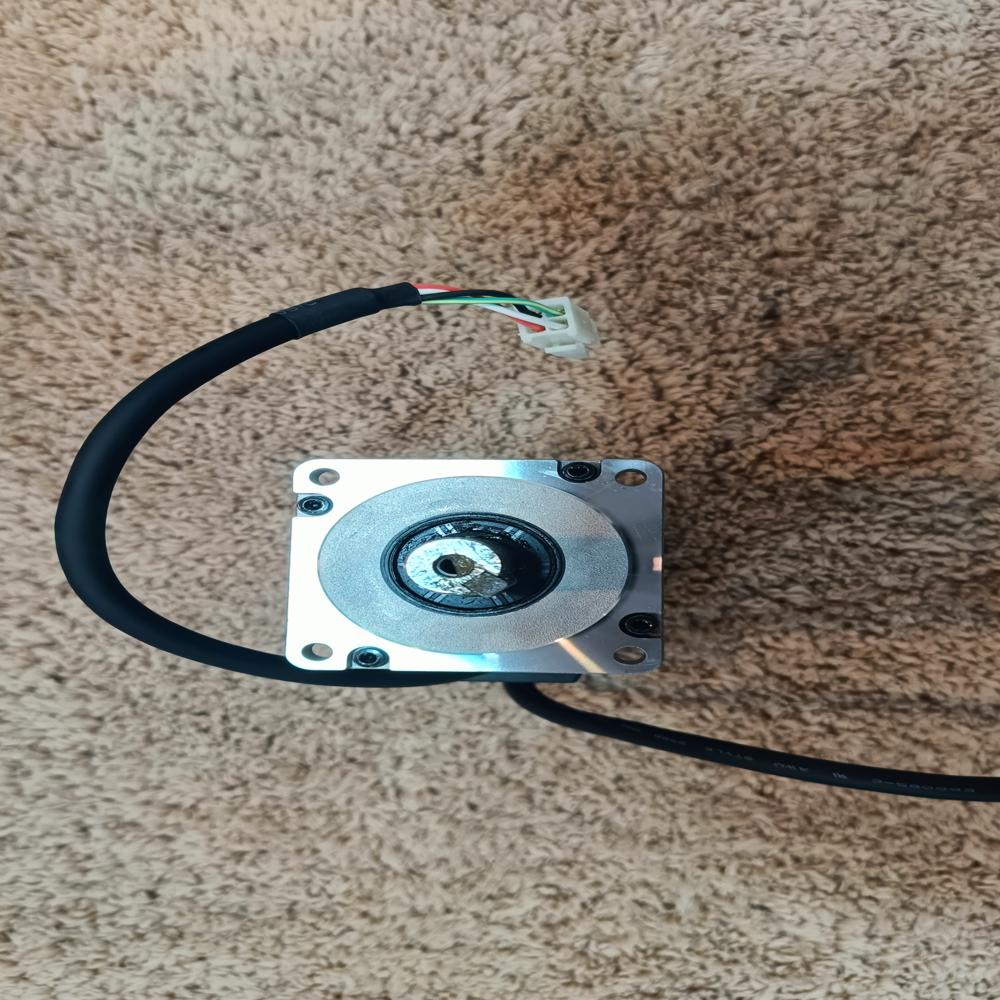
Price 41000.0 INR / Number
Minimum Order Quantity : 1 Number
Product Type : Servo Motor
Warranty : 1 Year
Usage & Applications : Industrial Machinery
Weight : 4.8 Kilograms (kg)
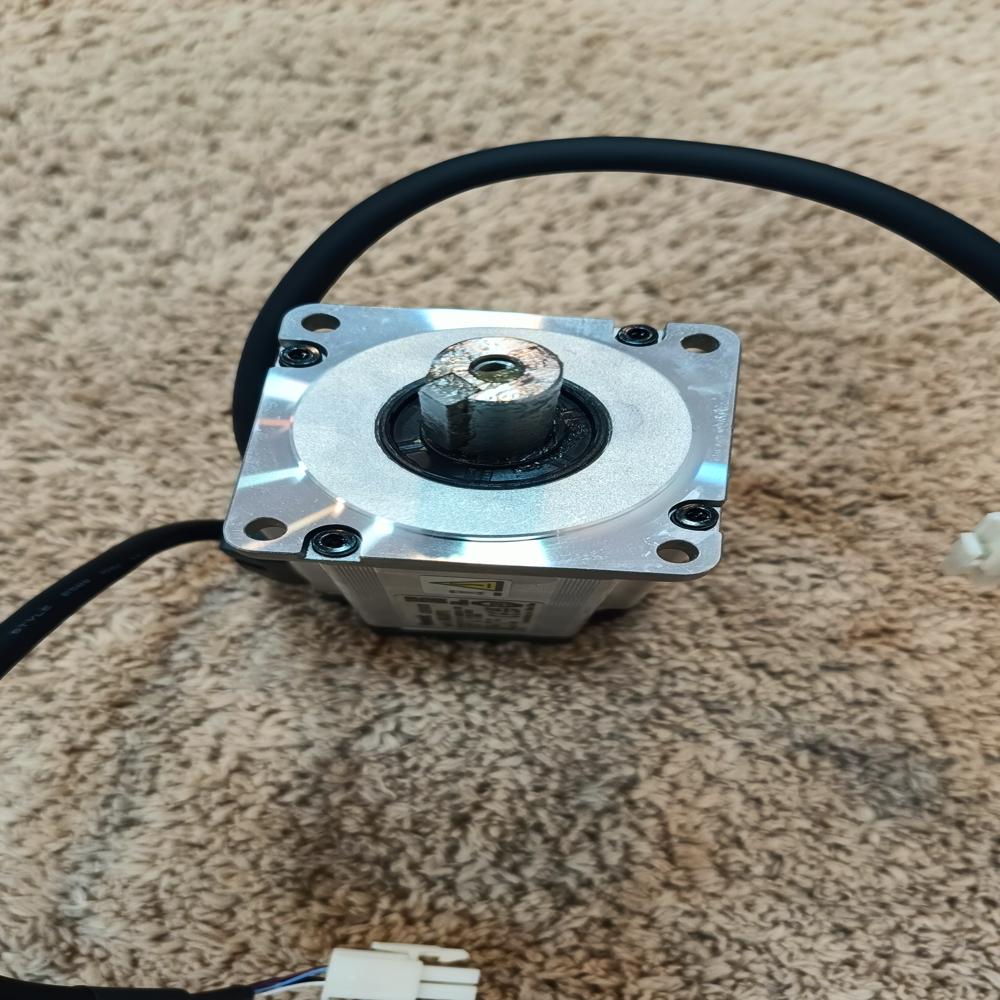
Price 26000.0 INR / Unit
Minimum Order Quantity : 1 Number
Product Type : Servo Motor
Warranty : 1 Year
Usage & Applications : Industrial Machinery
Weight : 0.32 Kilograms (kg)
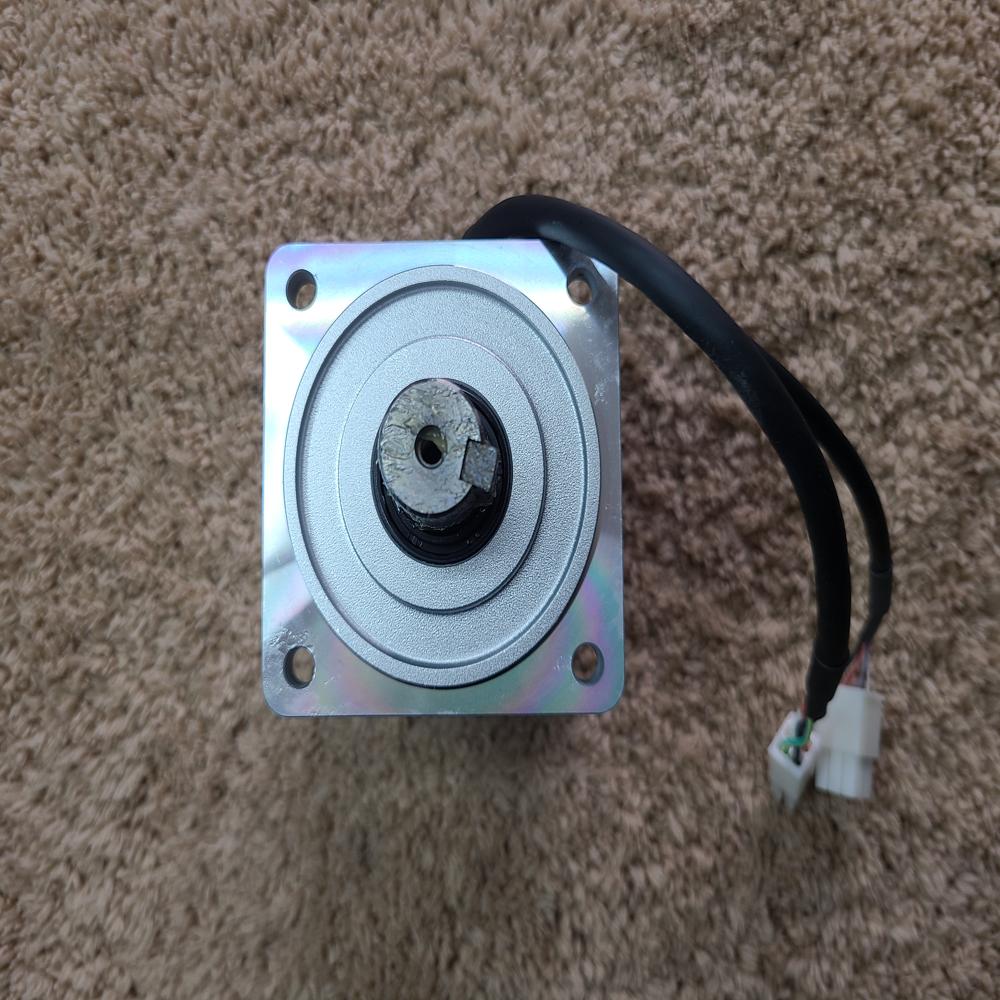
Price 22000.0 INR / Piece
Minimum Order Quantity : 1 Piece
Product Type : Servo Motor
Warranty : 1 Year
Usage & Applications : Industrial Machinerry
Weight : 0.82 Kilograms (kg)
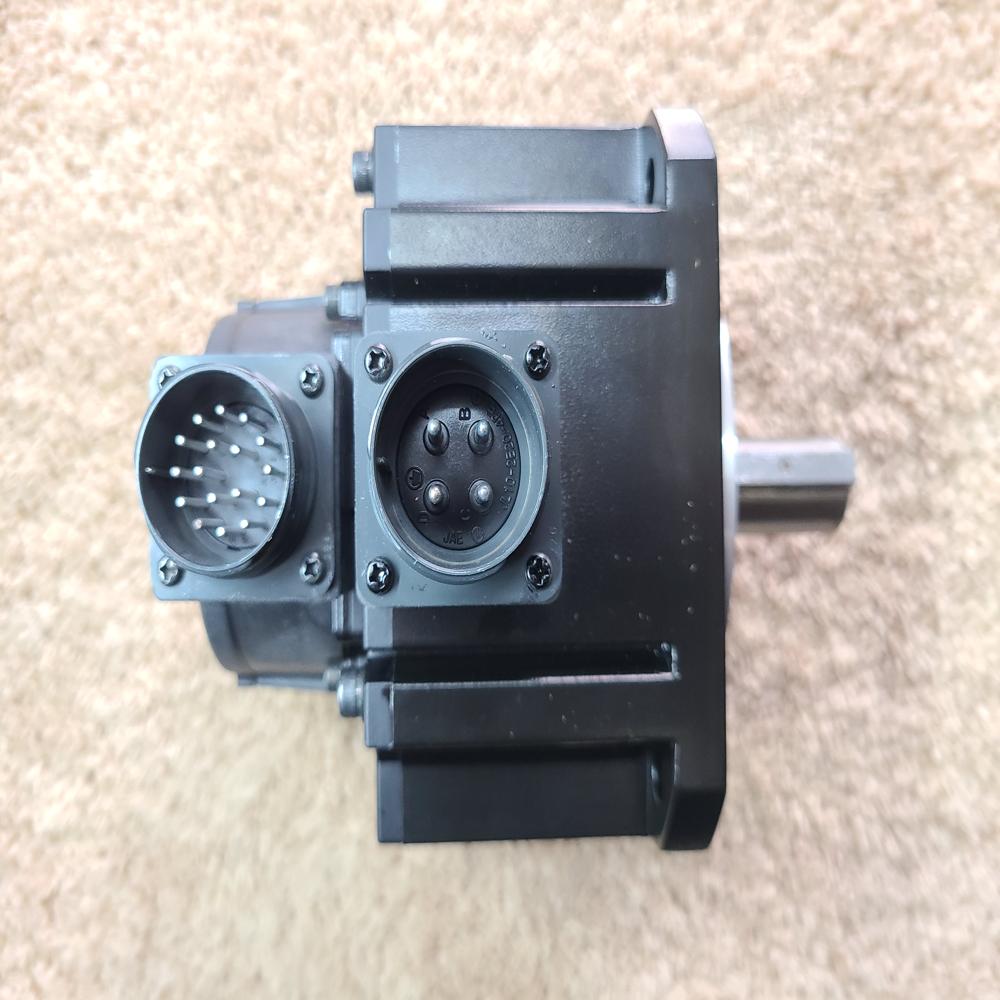
Price 75100.0 INR / Unit
Minimum Order Quantity : 1 Unit
Product Type : Servo Motor
Warranty : 1 Year
Usage & Applications : Industrial Machinerry
Weight : 6.1 Kilograms (kg)
GST : 24CCAPG3938H1ZU


 Send Inquiry

 Send Inquiry
 English
 Spanish
 French
 German
 Italian
 Chinese (Simplified)
 Japanese
 Korean
 Arabic
 Portuguese