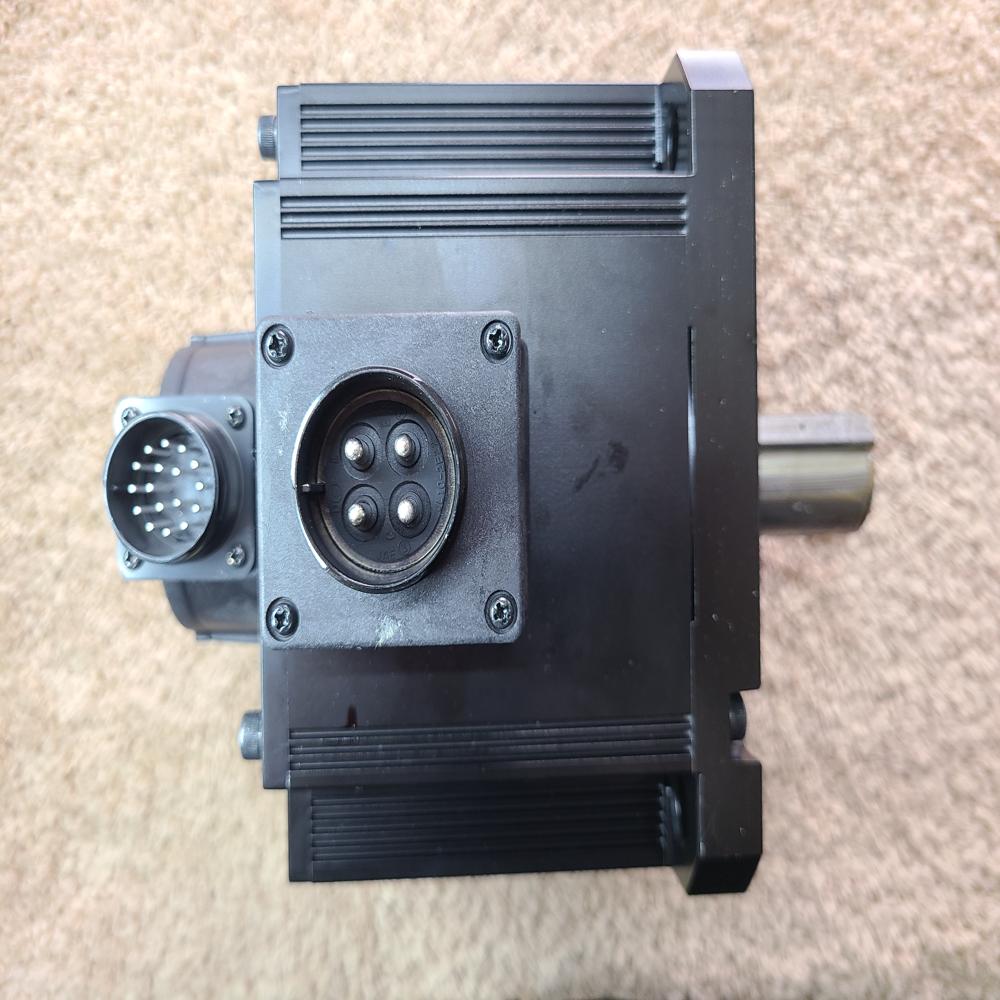
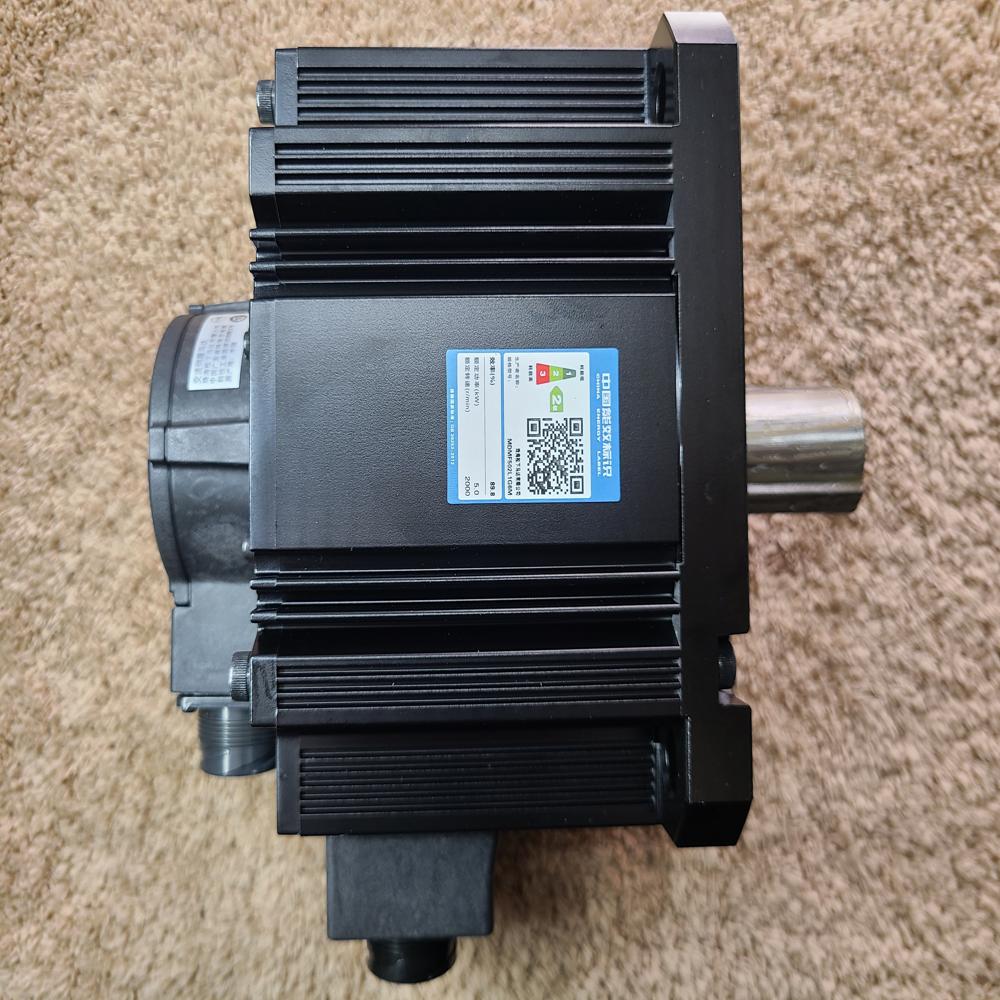
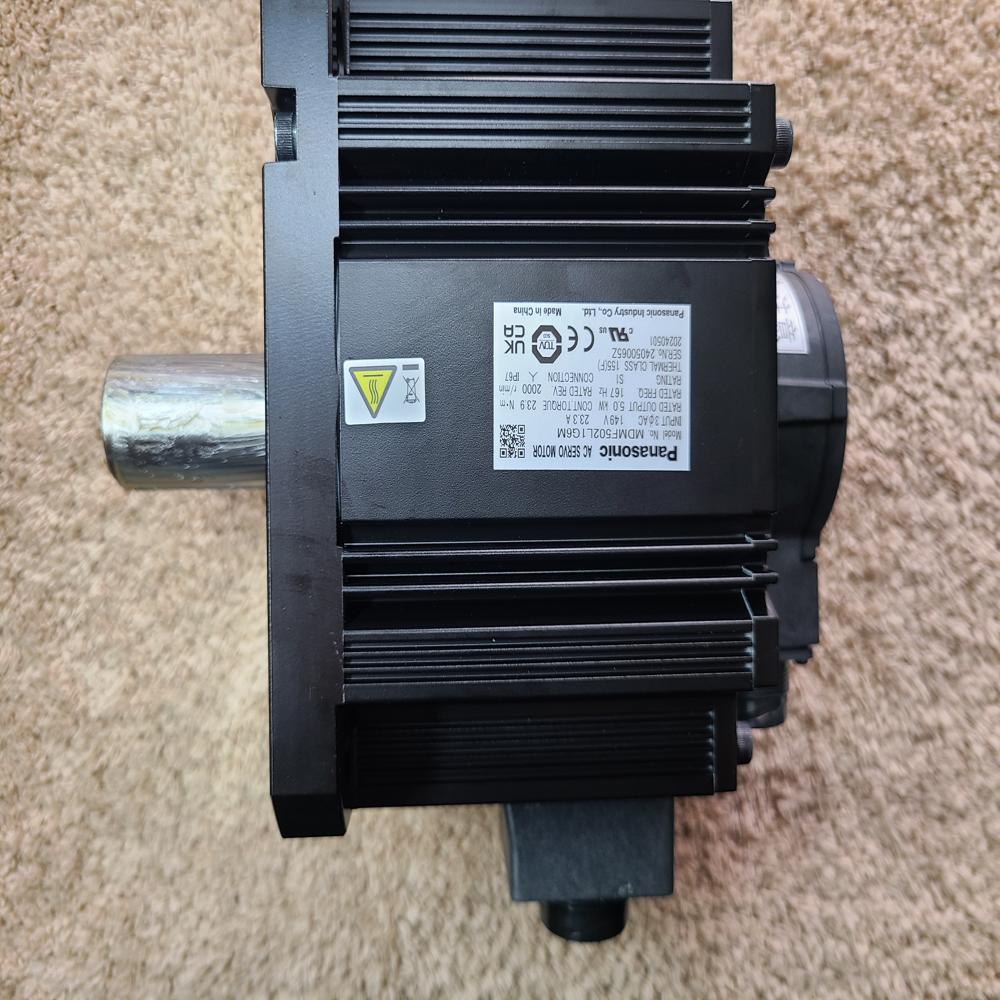
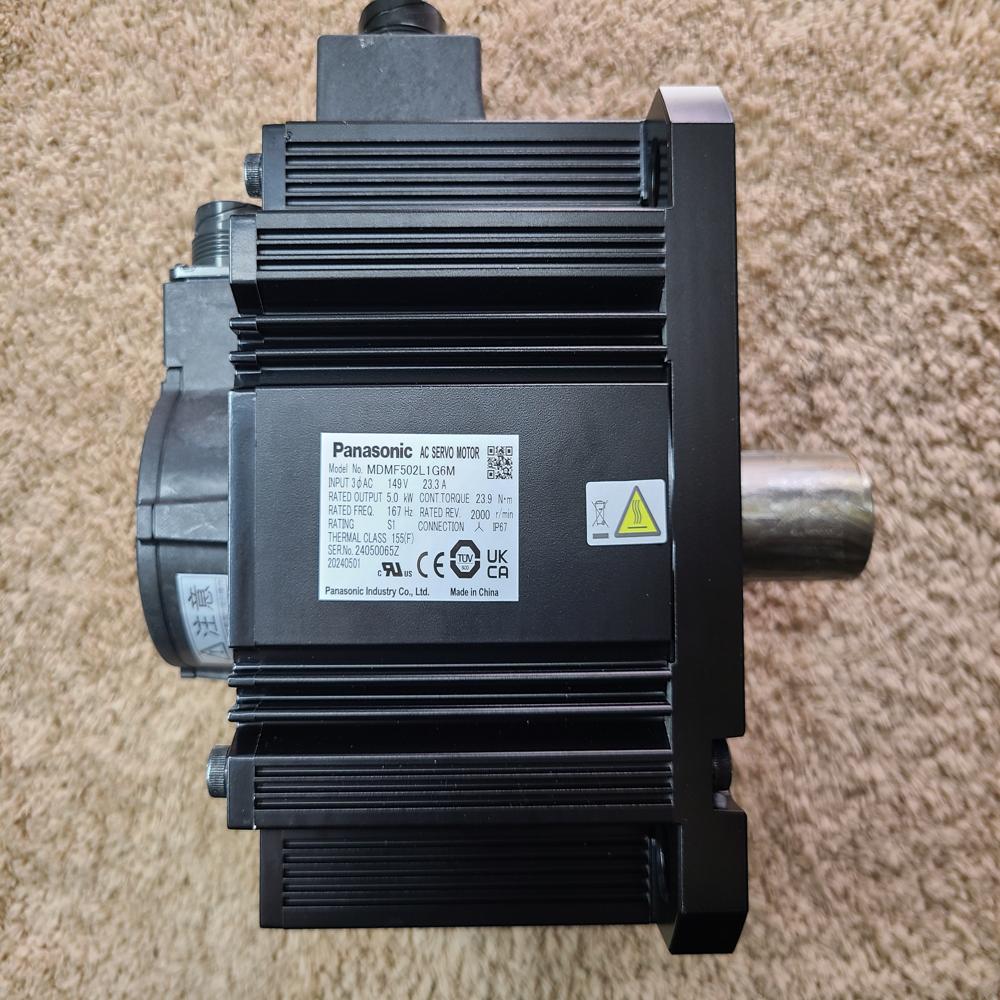
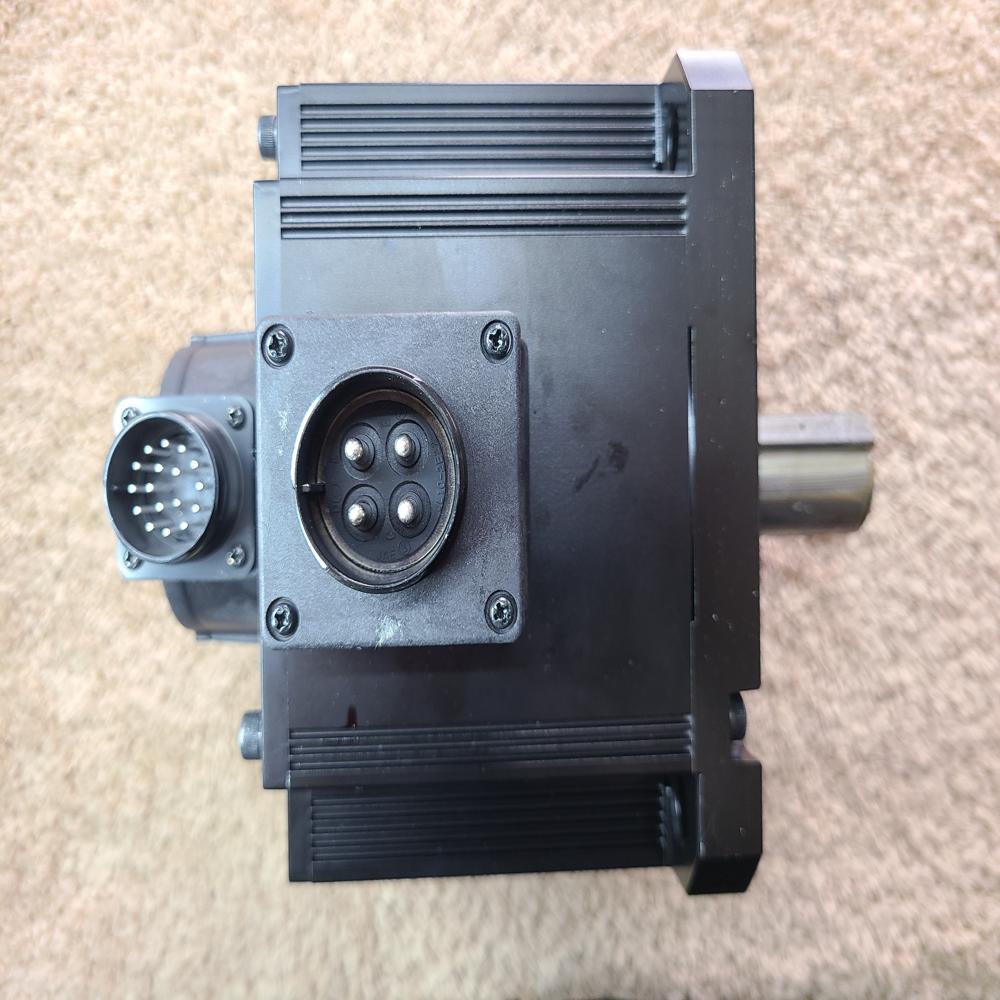
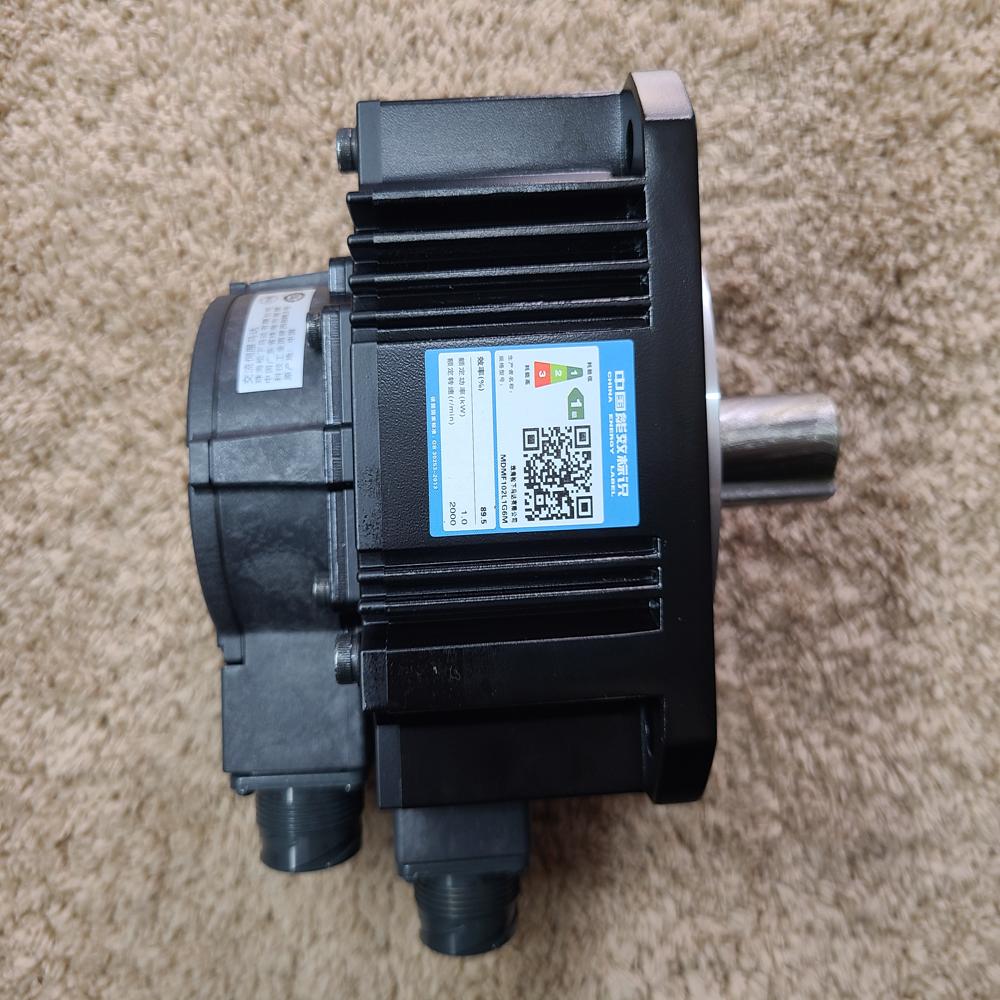
The primary function of the Panasonic MSMF402L1G6M is to act as a high-power, high-speed actuator for heavy-duty machines that require "snappy" movements. It is the most powerful low-inertia motor in the A6 3000 RPM class, built for extreme agility.
1. High-Speed Agility (Low-Inertia Advantage)
The "MSMF" series is specifically designed for acceleration.
- Rapid Cycling: Because it has a lightweight internal rotor, this motor can reach its 3000 RPM rated speed almost instantly.
- Application: It is the "gold standard" for high-output machines that perform hundreds of moves per minute, such as high-speed bottling lines, large-scale packaging, and electronic component placement.
2. Surgical Positioning Accuracy
Despite its 4.0 kW brute strength, it maintains micro-precision:
- 23-bit Encoder: It divides a single rotation into 8,388,608 increments. This allows a machine to move a load at very high speeds and stop it exactly within microns of the target coordinate.
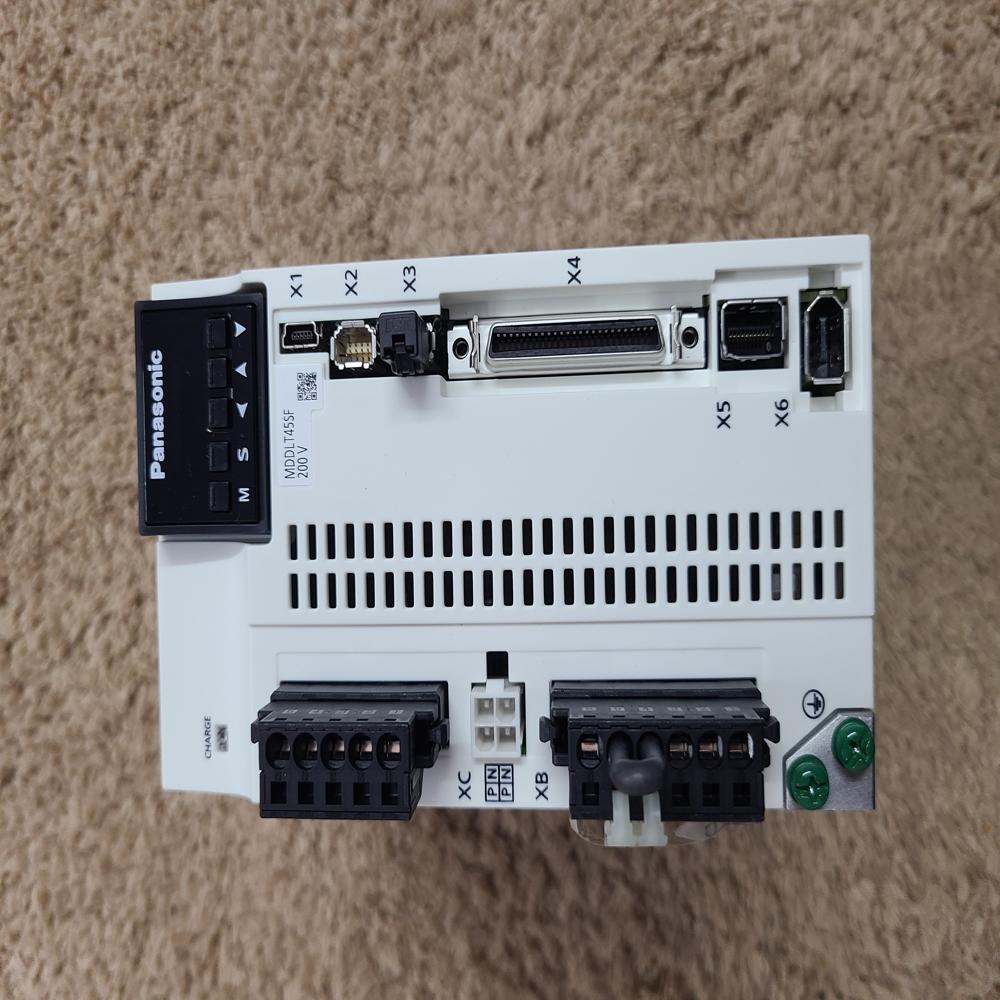
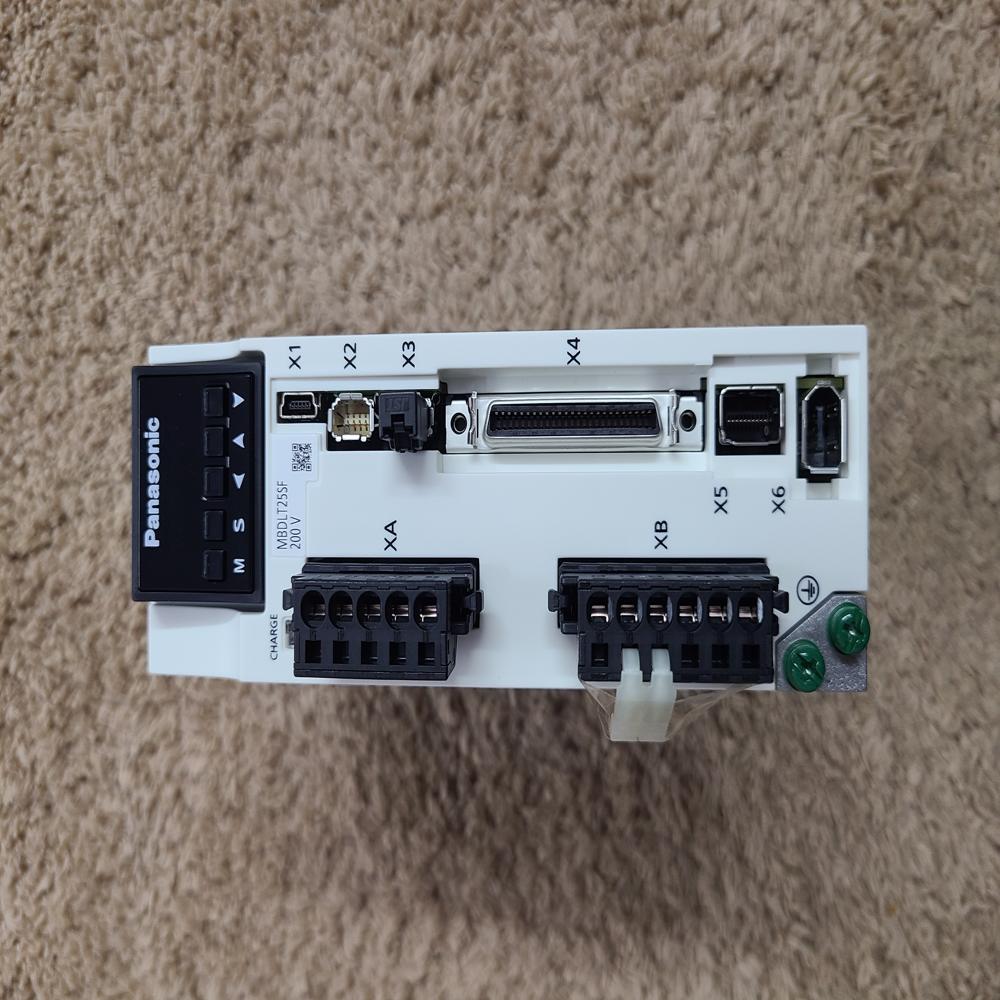
- Zero-Vibration Settling: It works with the driver to stop instantly without "bouncing" or vibrating, which is vital for high-speed production quality.
3. High-Torque Rotary Output
While it is an agile motor, it provides significant "pushing" force:
- Continuous Power: It delivers a steady 12.7 Nm of torque. This ensures the motor can overcome the air resistance and mechanical friction of moving large parts at high speeds.
- Breakaway Torque: It can surge to a peak torque of 38.1 Nm (for fractions of a second) to overcome the "sticking" force of a stationary heavy machine part.
4. Continuous High-Duty Operation
- Heat Dissipation: It is designed to run at its rated speed and torque 24/7 without overheating.
- IP67 Environmental Shield: The motor is functionally sealed against dust and liquid splashes (oil/water), making it reliable in harsh factory environments like metal machine shops or food processing plants.
5. High-Resolution Feedback Hub
- 3.2 kHz Response: It communicates its exact position, speed, and torque status back to the driver 3,200 times per second. This allows the driver to make thousands of tiny adjustments per second, ensuring perfectly smooth motion even if the machine load changes slightly.

 Send Inquiry



 Send Inquiry

 Send Inquiry
 English
 Spanish
 French
 German
 Italian
 Chinese (Simplified)
 Japanese
 Korean
 Arabic
 Portuguese